Every F1 World Champion and What Their Car Is Worth
Seventy-six Formula 1 world titles have been decided since 1950, and the cars that won them span almost the entire price spectrum of the collector market. A Lotus 49B that a world champion raced made £673,500 at Bonhams in 2014. A Mercedes-Benz W196 R that Fangio and Moss shared made €51,155,000 at RM Sotheby's in February 2025. The badge on the nose is not what separates those two numbers.
What separates them is the individual chassis: who drove it, which races it won, whether the paperwork proves it, and whether anyone can still run it. This is the full list of champions from 1950 to 2025, the car each of them won in, and the auction record that tells you what those cars are really worth. The 2026 season is underway under new power-unit regulations; there is no 2026 world champion yet, so this guide stops at Lando Norris and the McLaren MCL39.
Prices quoted are actual public auction results including buyer's premium, in the currency of the sale, as of September 2026. Where no sale exists, this guide says so rather than guessing.
What decides the price of a champion's car
Five things set the number, roughly in order of weight.
The chassis, not the model. Teams built several cars to the same design each season. Only one or two of them won anything. Value attaches to the chassis plate, so a sister car that tested and spared for a title season is worth a fraction of the one that crossed the line first at Monza.
The driver, then the result. A car raced by Fangio, Senna, Schumacher or Clark carries a premium that has nothing to do with engineering. Add a win at Monaco, Monza or Spa and the premium compounds.
Documented history. Continuous ownership records, period photographs matching the chassis, factory build sheets and a credible restoration file. A car with a gap in its story is a car with a discount.
Whether it can run. Cars eligible for Masters Historic Formula One, Goodwood or a Ferrari Corse Clienti programme have a live audience of buyers who intend to drive them. A car that can only be displayed sells to a smaller room.
Completeness. Original engine and gearbox, or at least period-correct units, plus spares. Many cars sold today run a replacement engine, and the market prices that honestly when the seller does.
The chassis trap: your champion drove more than one car
This is the single most common misunderstanding in F1 collecting, and it costs real money.
When Niki Lauda's 1975 Ferrari 312T came up at Gooding & Company's Pebble Beach sale in August 2019, the headline read like a chance to buy the car that won the title. It sold for roughly $6 million against an estimate of up to $8 million. But the chassis on offer was 022, the car Lauda won the 1975 French Grand Prix in. The chassis he actually clinched the championship with was 023, which the vendor kept.
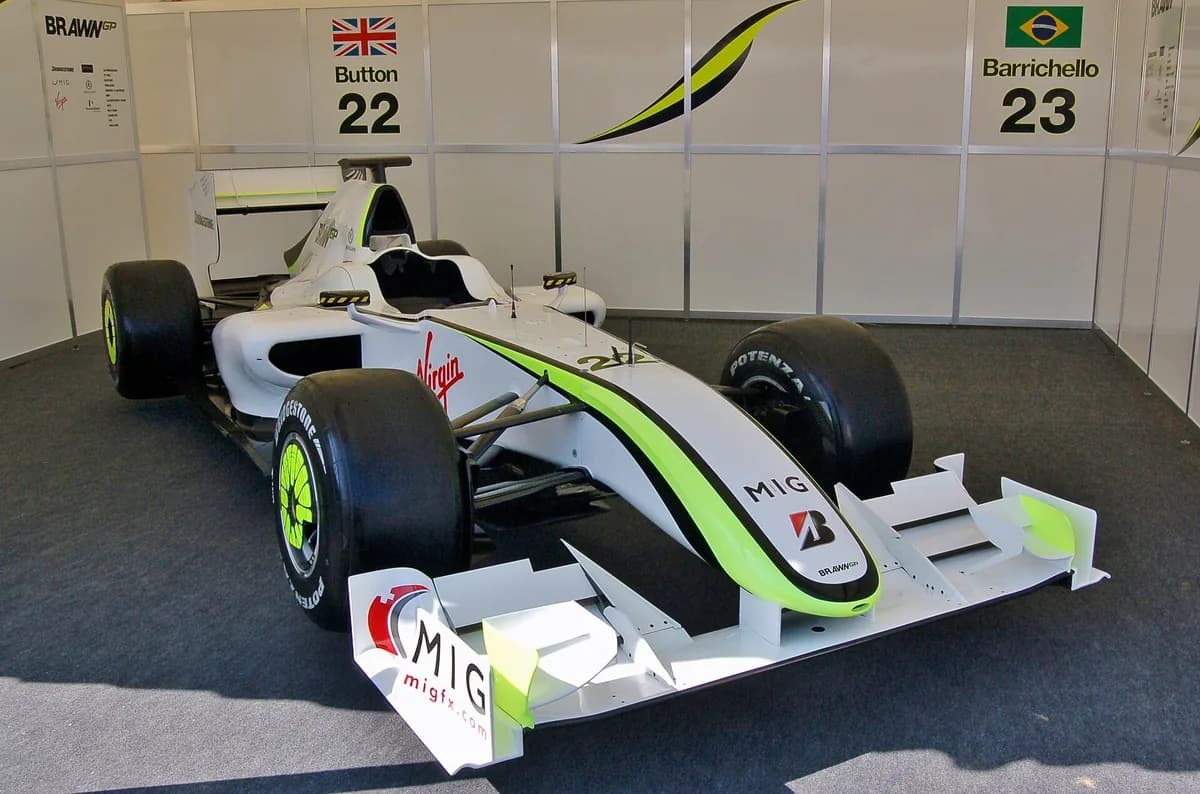
The Brawn story is stranger still. Jenson Button won the 2009 title, was offered a replica by the team, went through legal proceedings, and eventually received chassis 001/01: a car Rubens Barrichello had raced. It sold at Bonhams during the 2025 Miami Grand Prix for $3.8 million, under its $4.5 to $6.5 million estimate.
Before you take any "championship-winning" description at face value, ask for the chassis number and check it against period race records. The difference between the right plate and the wrong one is frequently a factor of three.
What champions' cars have actually sold for
Public results only. The status on each row separates the chassis a championship was actually decided in from cars that merely raced in a title-winning season.
What they actually sold for
Hammer plus premium, in the currency each sale was struck in. Title-winning chassis means the championship was decided in this exact chassis. Ran the title season means it ran that year without settling it.
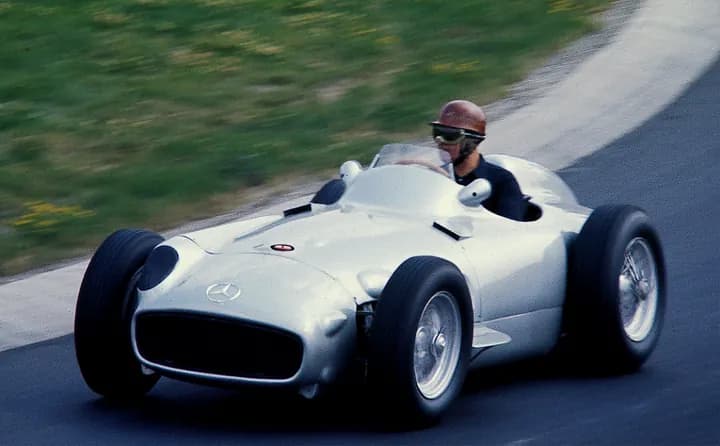
1954 Mercedes-Benz W196 R Stromlinienwagen
Built in 1954, raced in 1955. Still the record.
It held the record for the twelve years before that.
Ran the title season£19,601,500
2013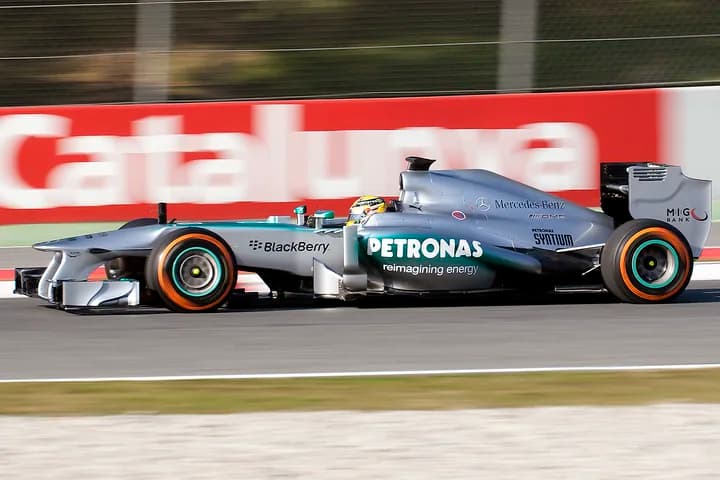
2013 Mercedes-AMG Petronas F1 W04
His first win for Mercedes, Hungary 2013. Vettel took that title.
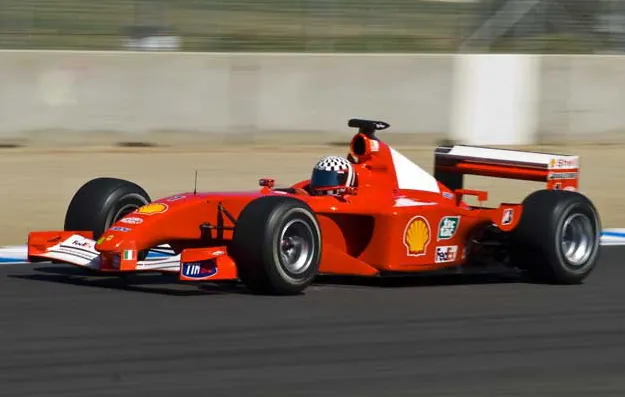
The same chassis that sold in 2017, lower down this list. Ferrari overhauled it in 2025 before the sale.
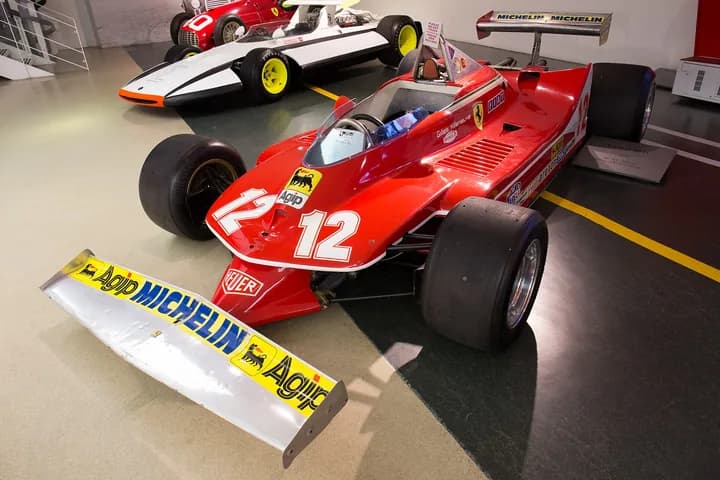
Won Belgium, Monaco and Italy in 1979. Scheckter clinched the title in it at Monza.
Eight years later it made 2.4 times this.
Ran the title season$7,504,000
2017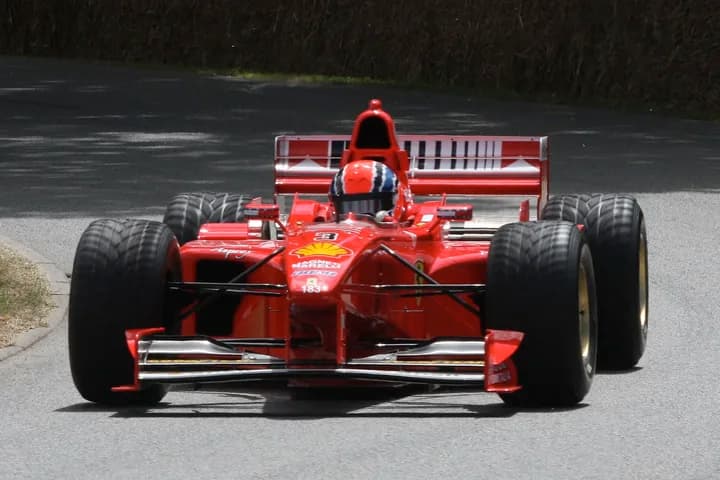
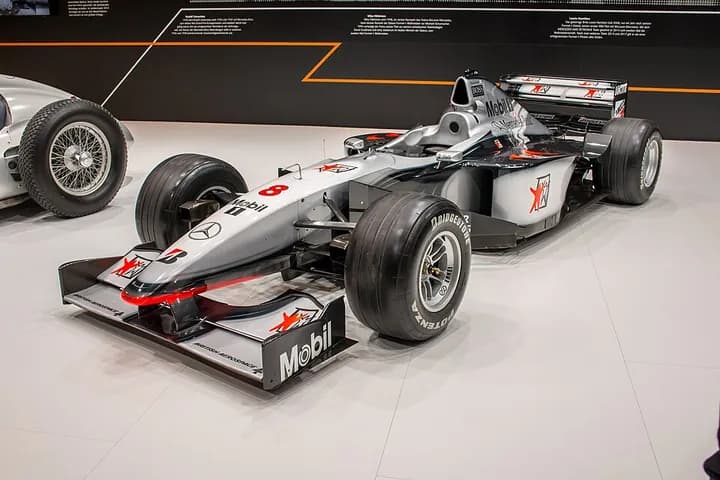
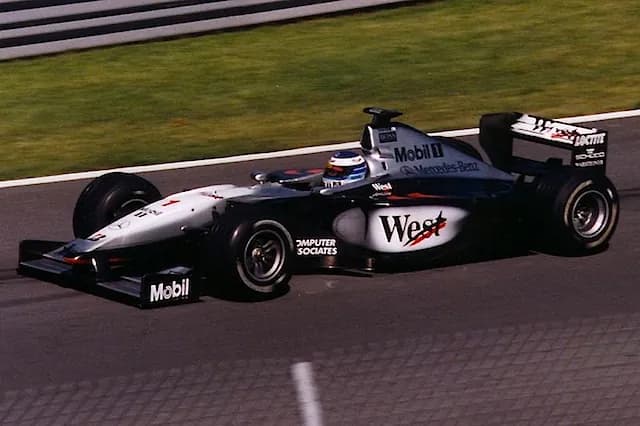
Four grands prix entered, four won. Häkkinen took the 1998 title.
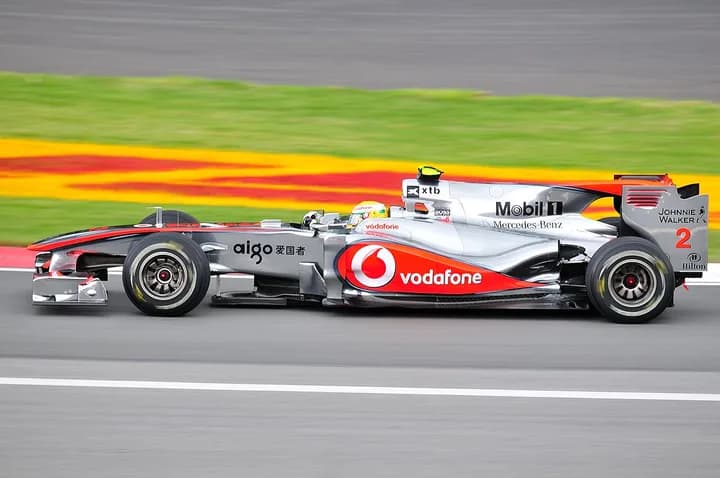
Won in Turkey, in a season McLaren lost.
No title£4,836,000
2021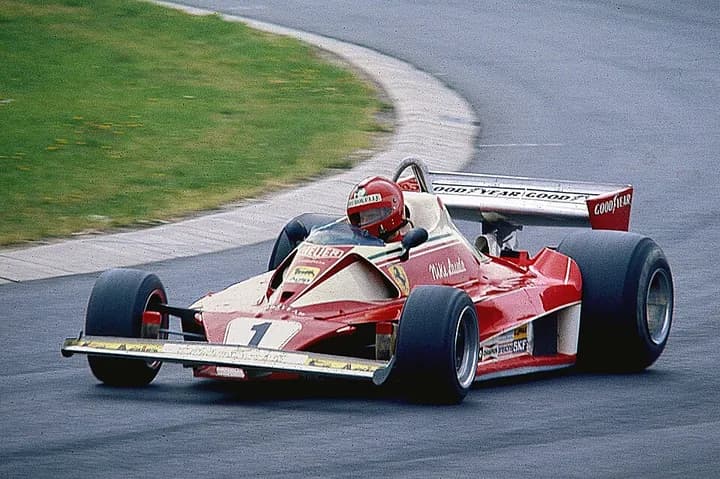
Lauda took the title in 023. The vendor kept that one.
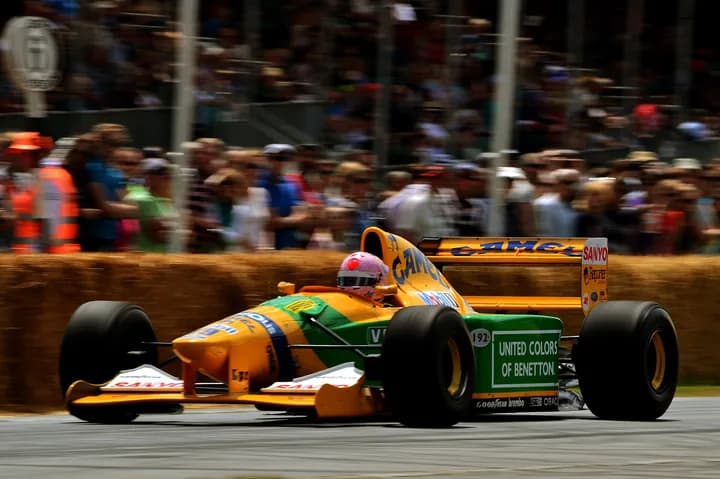
Schumacher's first grand prix win, Spa 1992. The estimate was €8.5m.
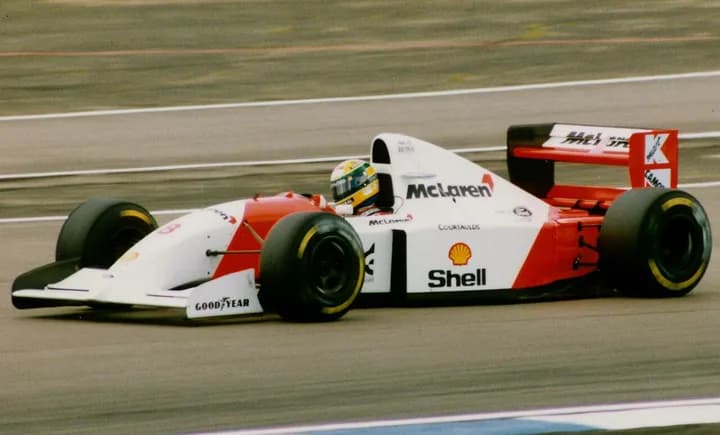
Senna's Monaco winner. Ecclestone bought it.
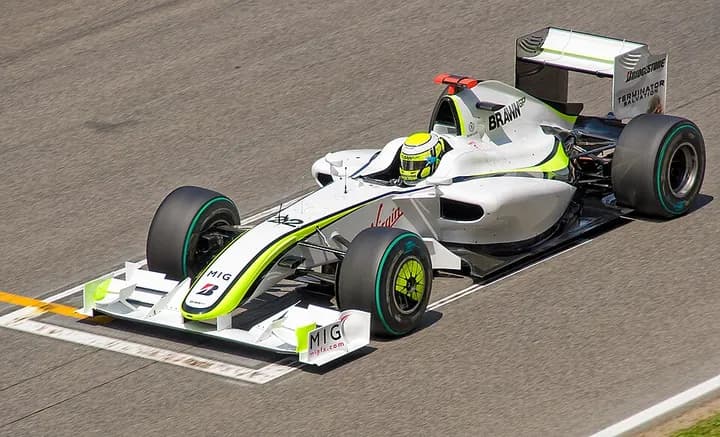
Estimate was $4.5m to $6.5m. It did not get there.
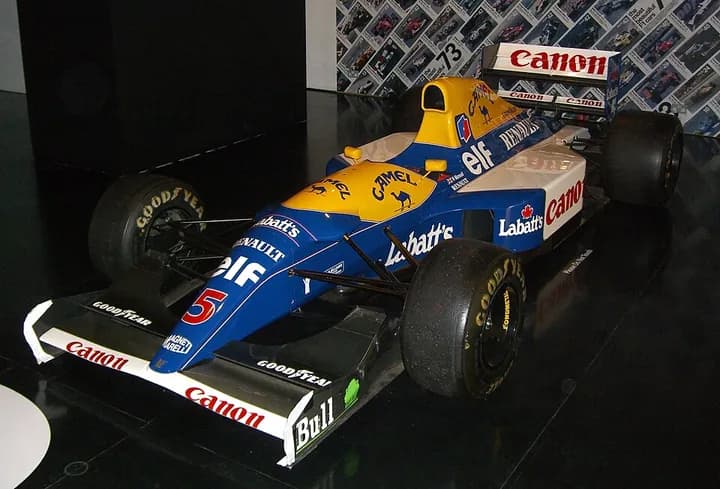
A Williams record at the time.
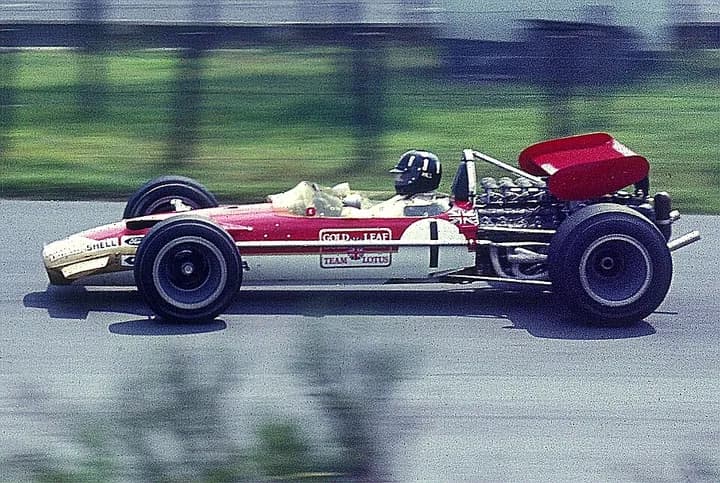
Built in October 1968 for the 1969 Tasman series, not one of Hill's 1968 title cars. Roughly where this market starts.
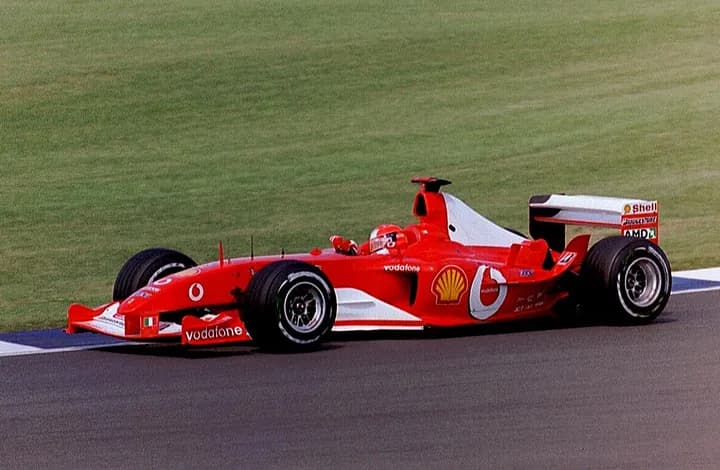
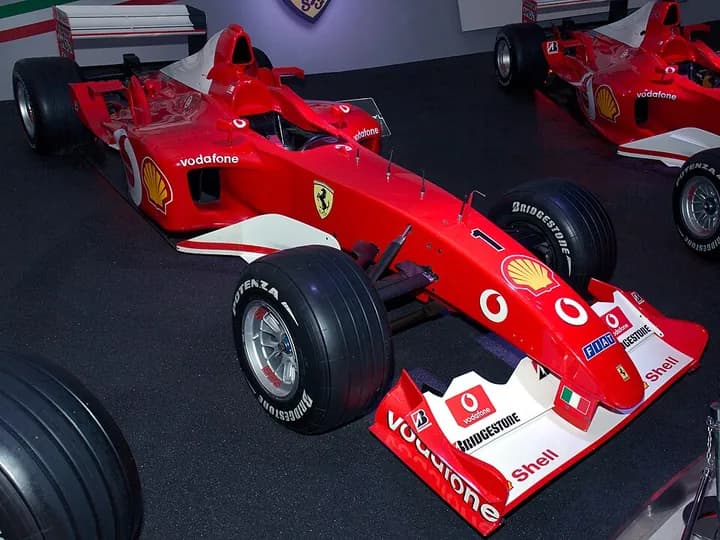
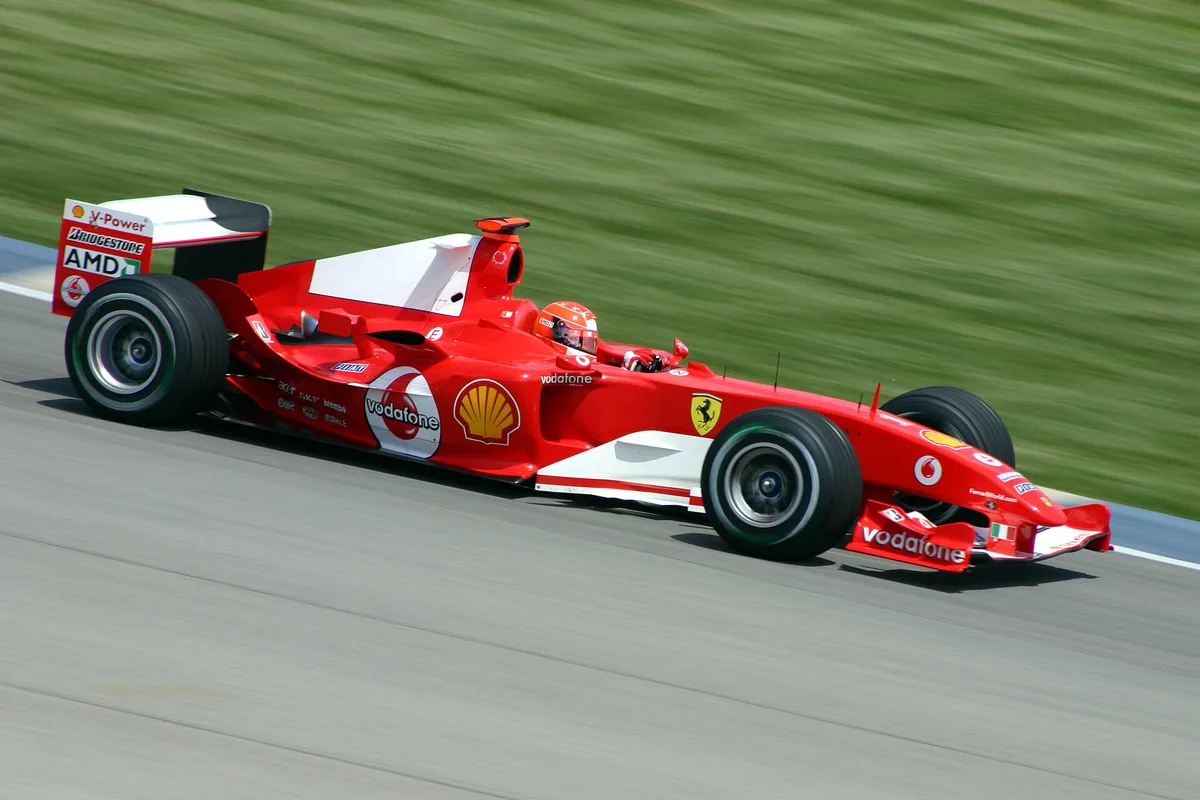
Two entries in that table are the same car. Ferrari F2001 chassis 211 made $7.5 million in New York in 2017 and €15.98 million in Monaco in May 2025. That is roughly a 2.4x move in eight years on a car whose race history did not change. Ferrari carried out a major factory overhaul before the second sale, but not a lap of the provenance moved, which is the clearest evidence available that the top of this market has repriced rather than merely inflated.
The counter-example matters just as much. Mario Andretti's Lotus 79 chassis 79/4, the car he won the 1978 Dutch Grand Prix in and clinched the title with at Monza, carried a $6.5 to $9.5 million estimate at Bonhams in Abu Dhabi in November 2023. Bidding stopped at $3.5 million and the car did not sell. Estimates are marketing. Results are data.
1950s: the front-engined grand prix era
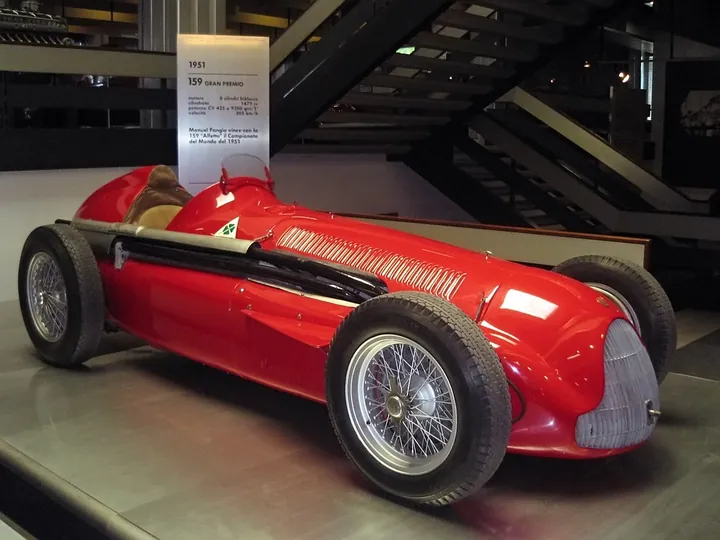
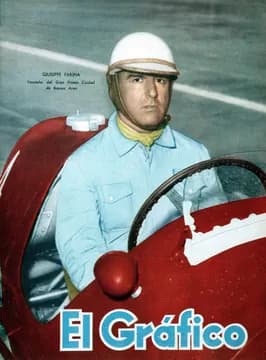

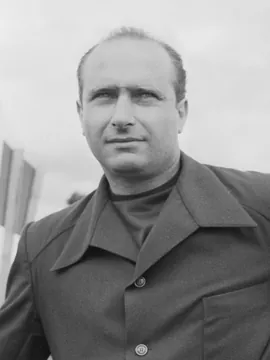

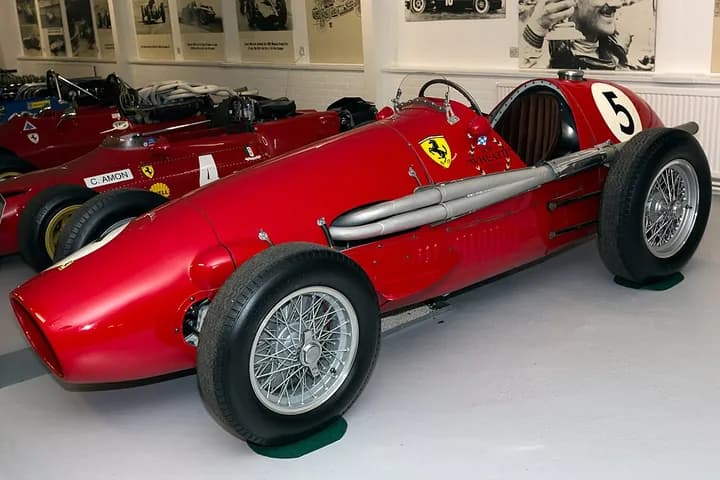
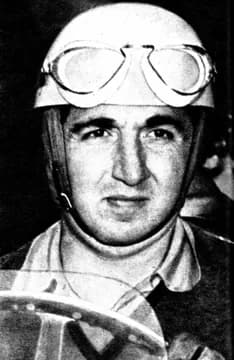
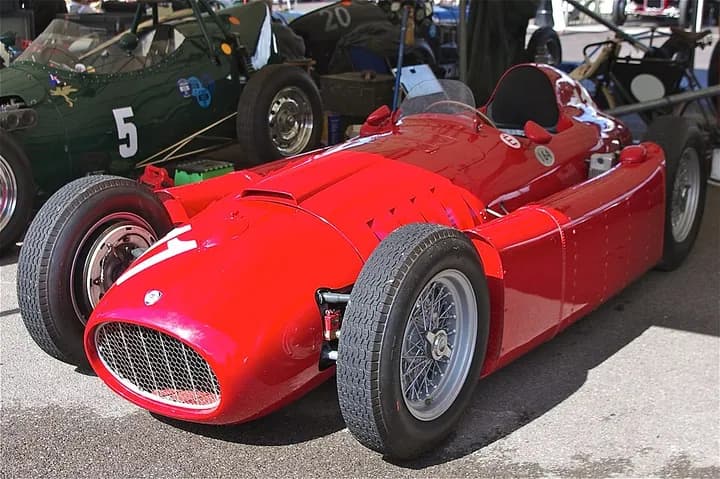
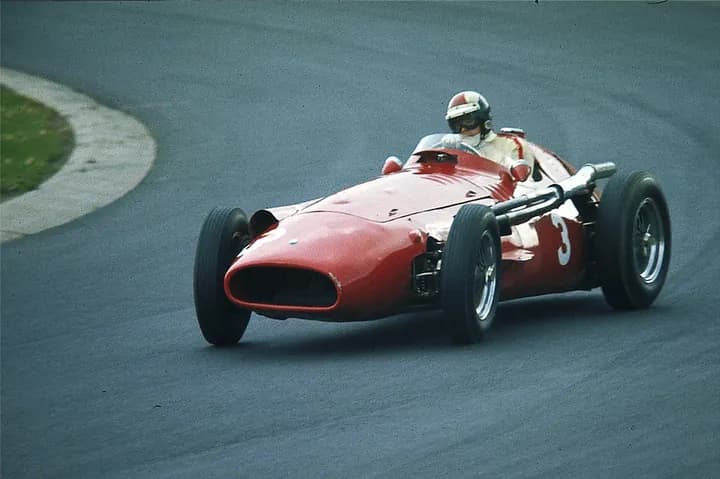
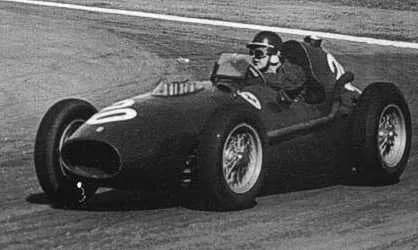
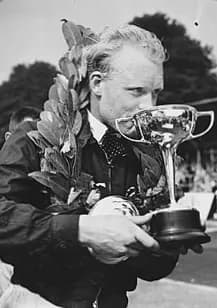


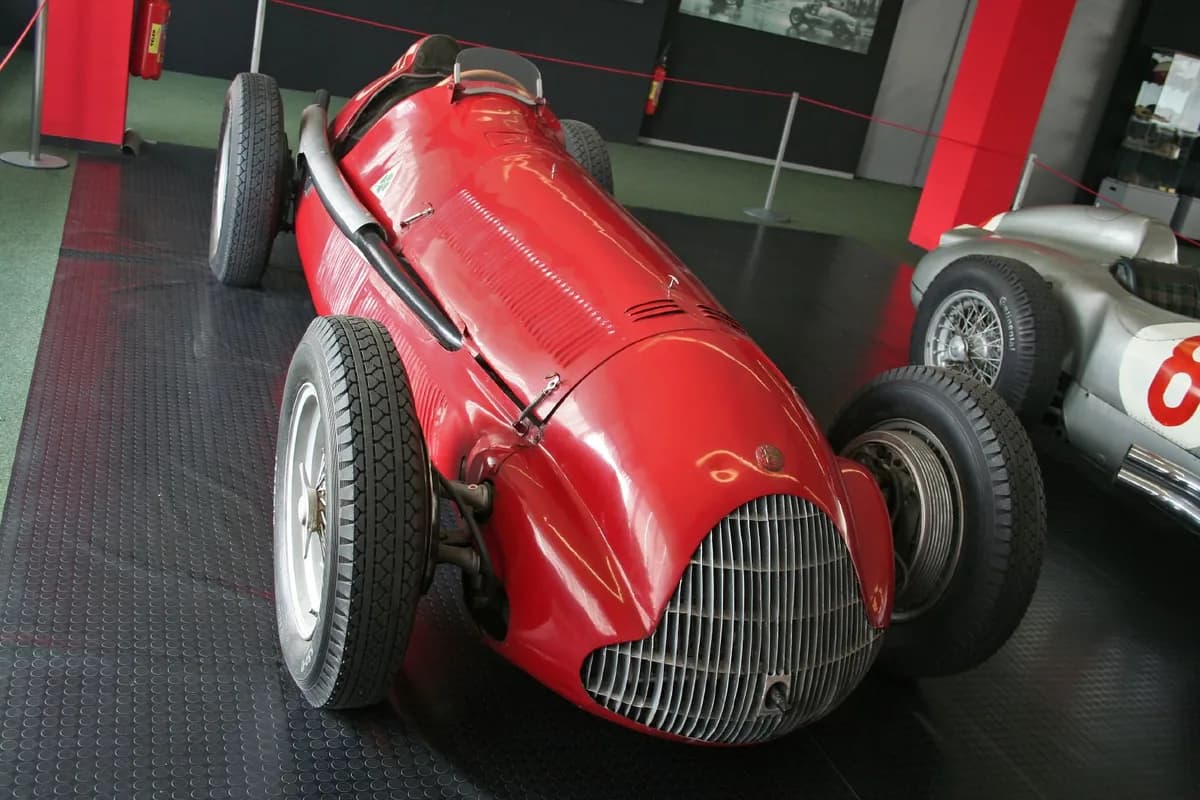
The first decade is mostly unavailable at any price. Alfa Romeo kept its 158 and 159 Alfettas and they sit in the Museo Storico at Arese. Ferrari's 500s are split between the factory and long-term collections. The Lancia-Ferrari D50s that Fangio won with in 1956 are museum pieces in Italy.
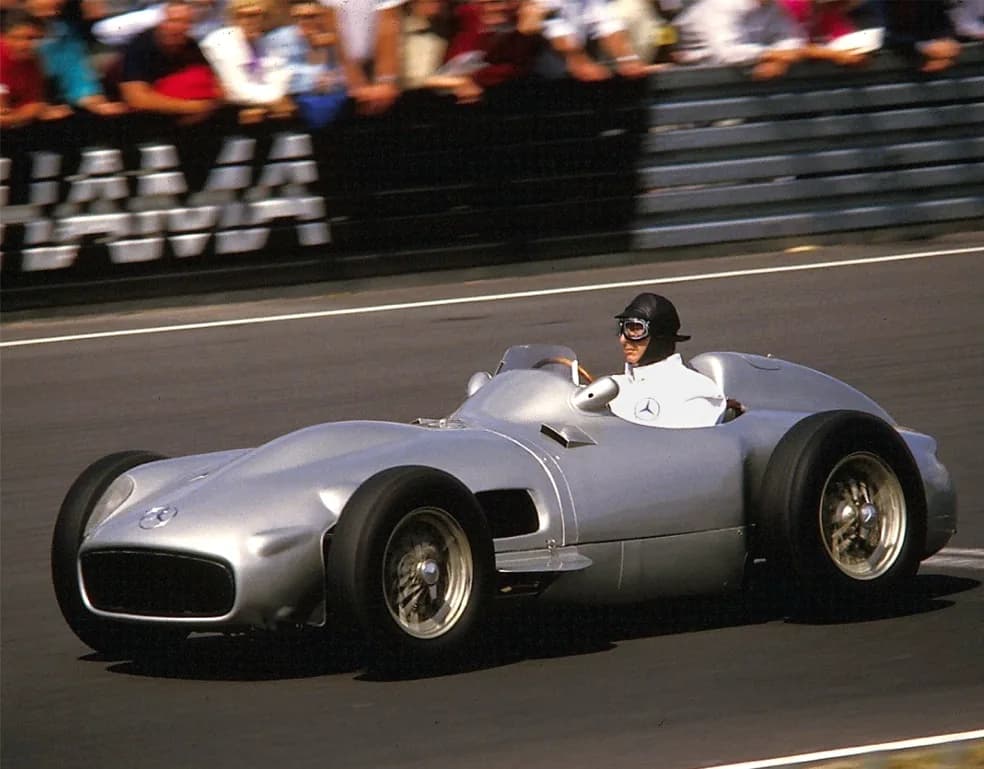
That leaves two ways into the decade. The Mercedes W196 R is the outlier at the very top: two of them have been sold publicly, in 2013 and 2025, and both times they set the world record for a grand prix car. Everything Mercedes has not sold is in Stuttgart.
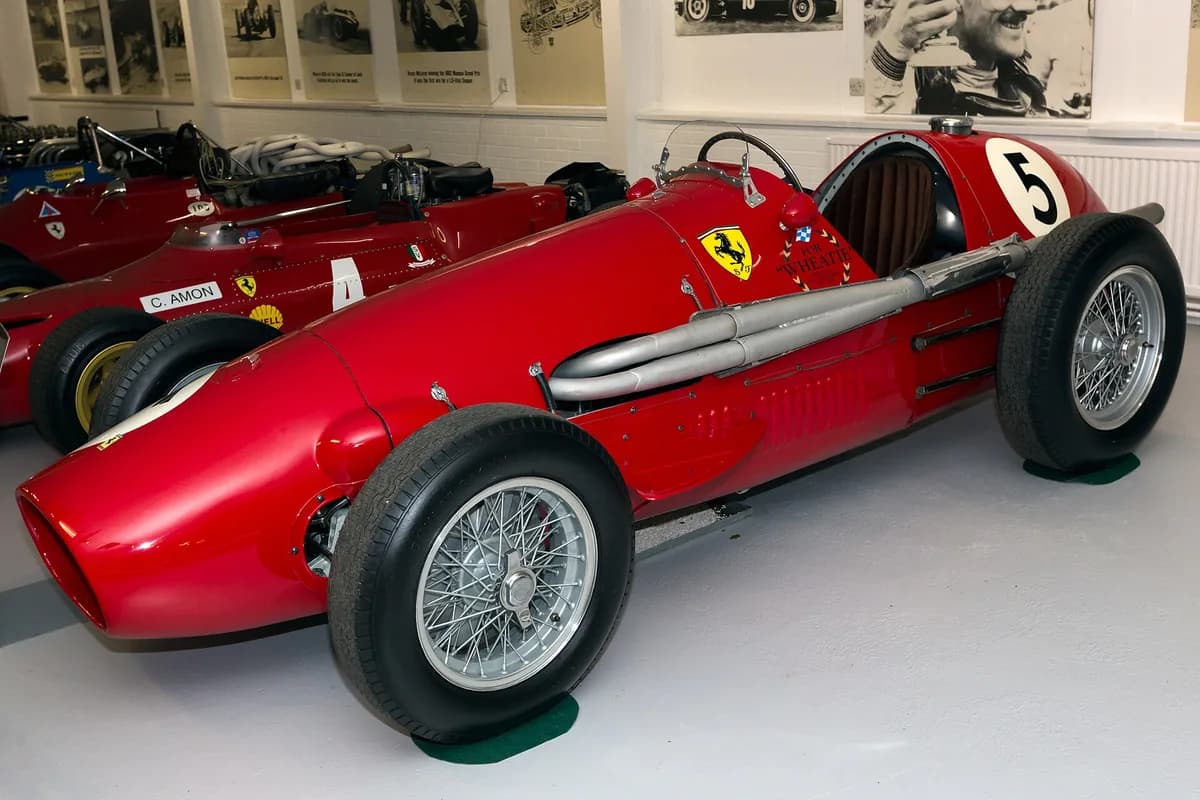
The realistic route is the Maserati 250F, the car Fangio won his fifth title with in 1957. Maserati built around 26 of them for customer teams as well as works entries, so genuine cars do circulate. A 1956 car raced to victory by Stirling Moss made $4,620,000 at Gooding & Company's Pebble Beach sale in 2014. Note the gap between that and a 250F with a less distinguished race record, which is where careful buyers spend their time.
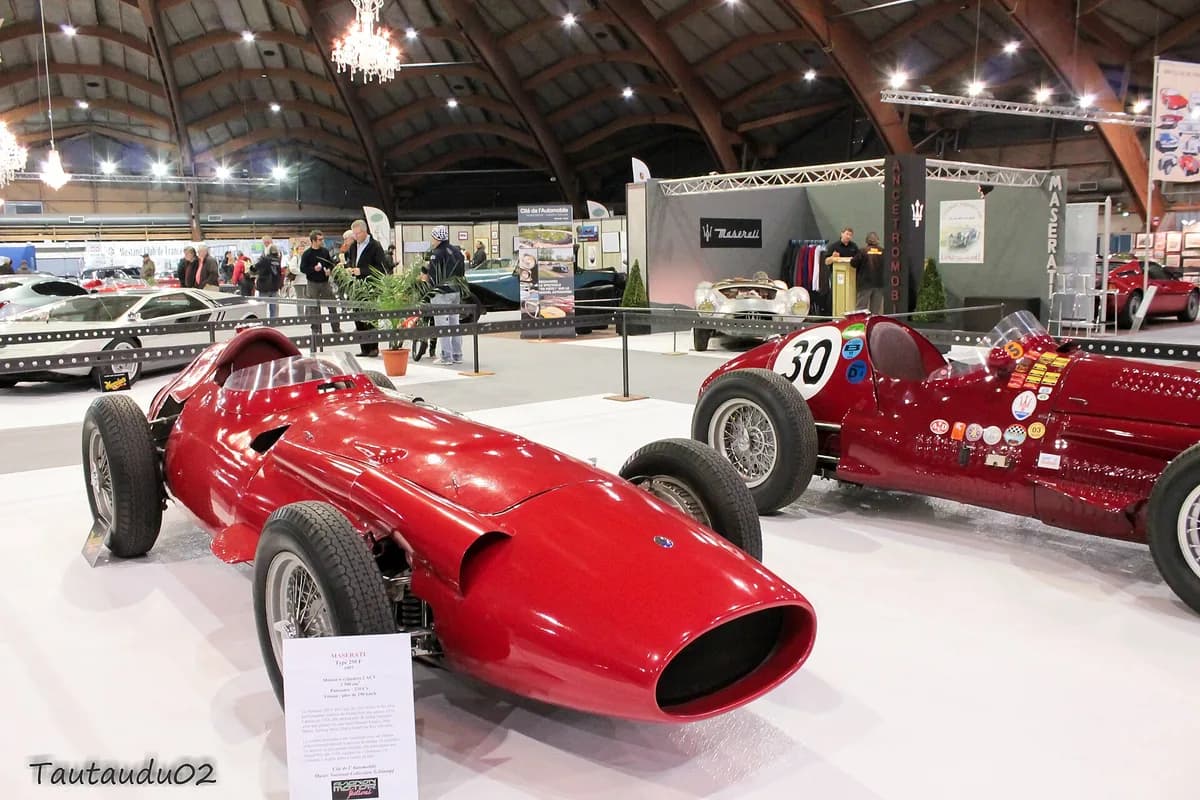
1960s: the engine moves behind the driver
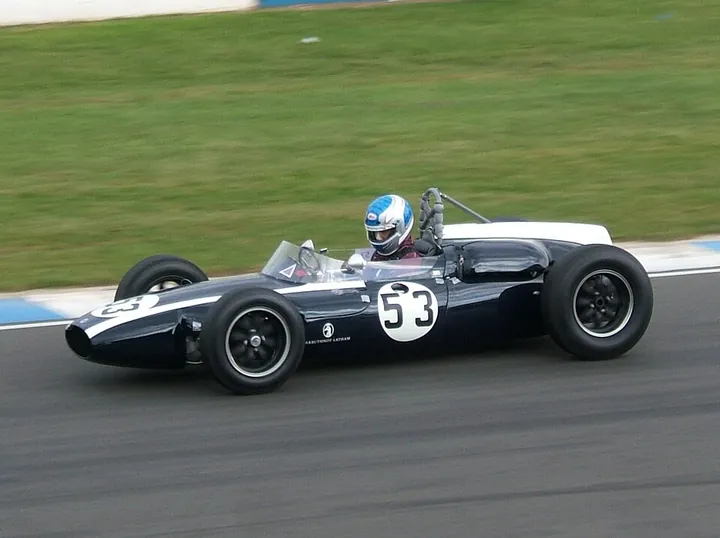
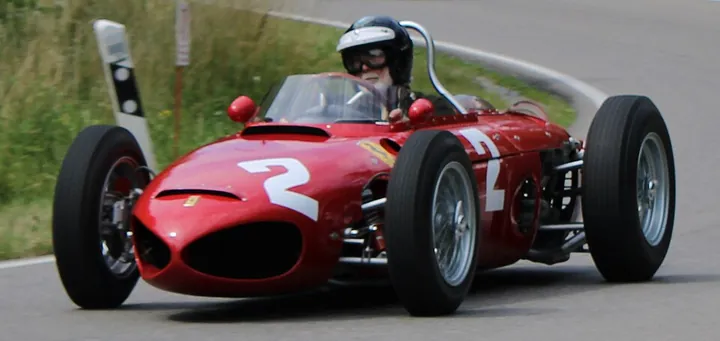

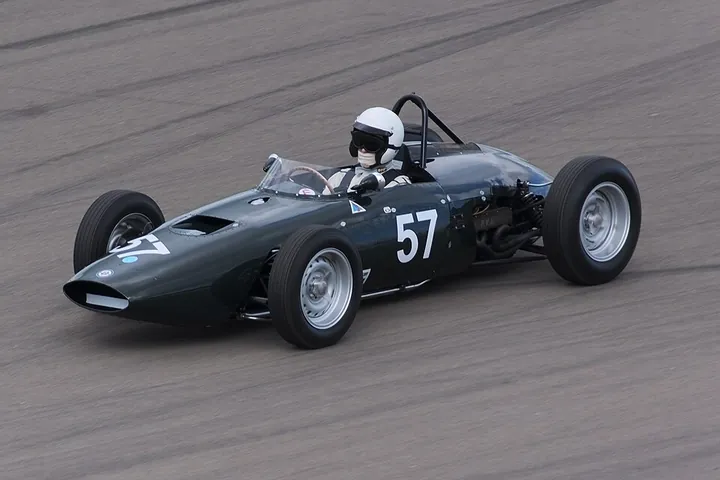
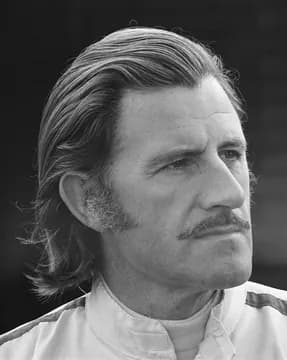
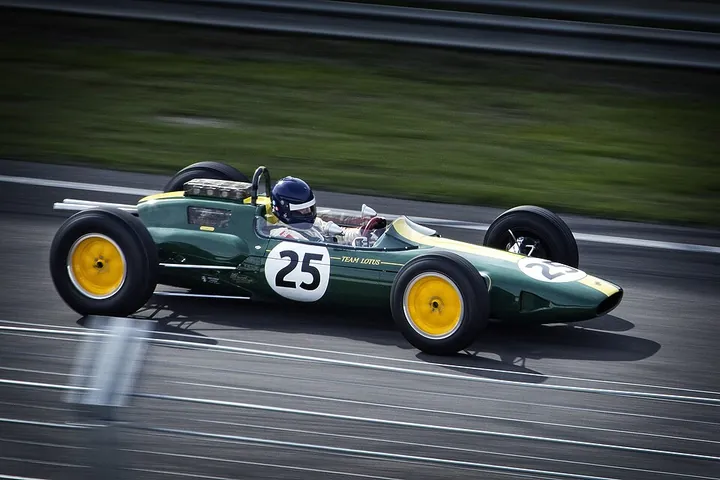
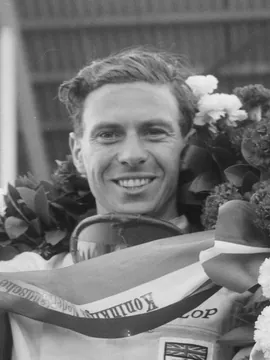
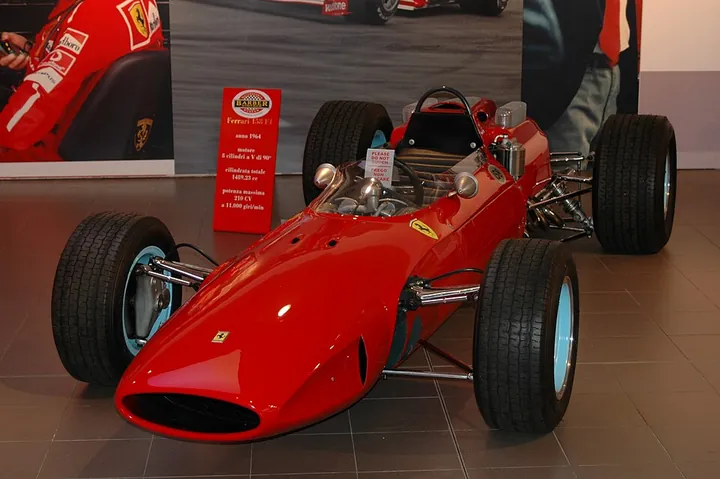
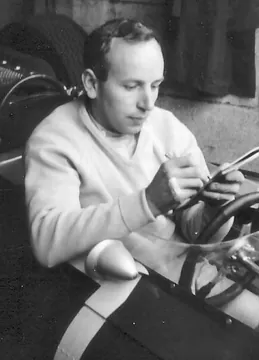
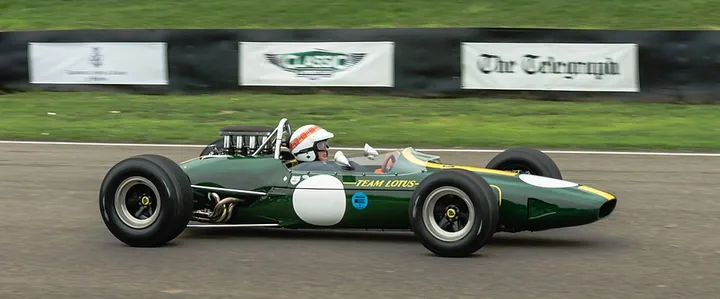
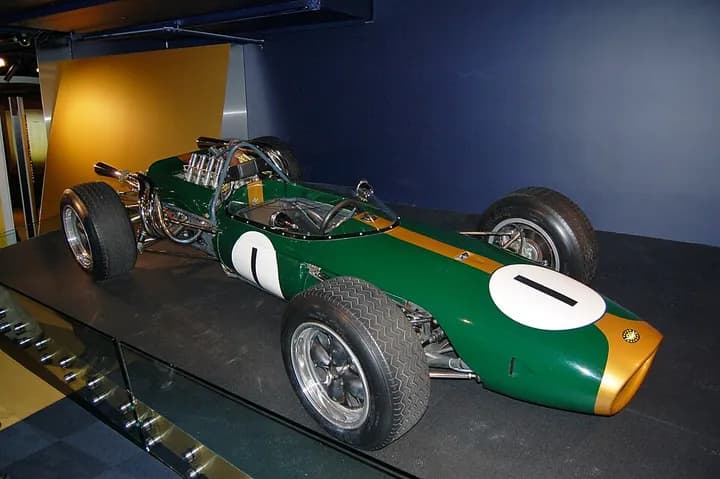
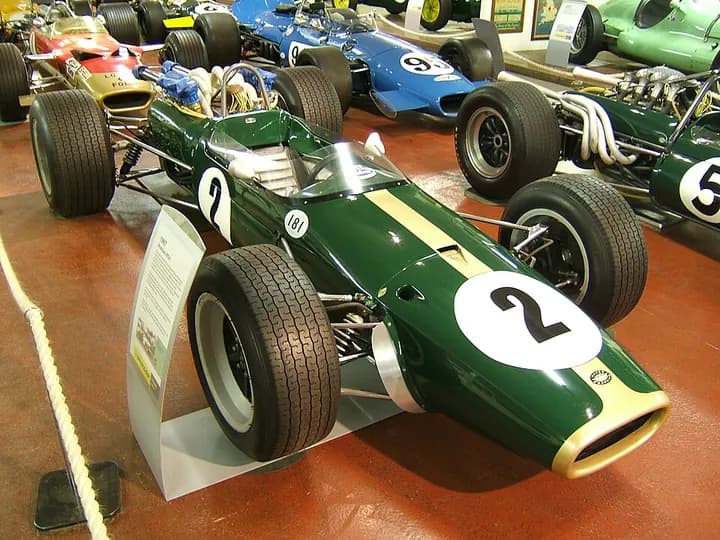
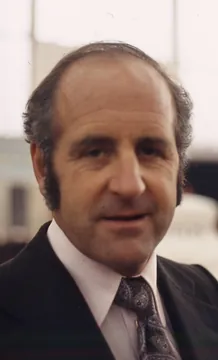

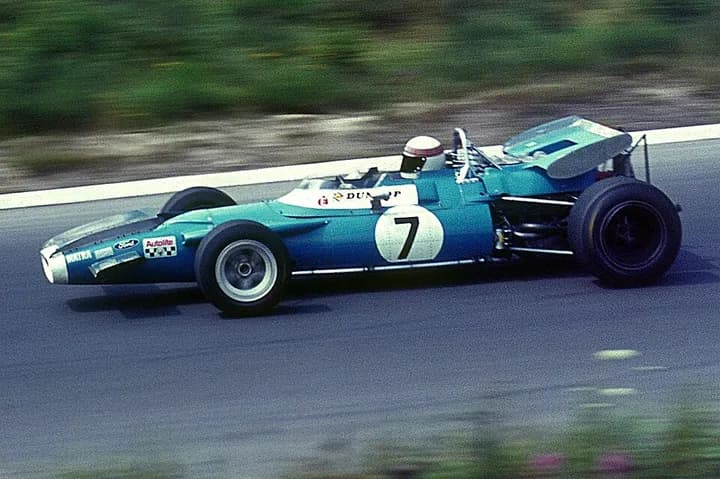

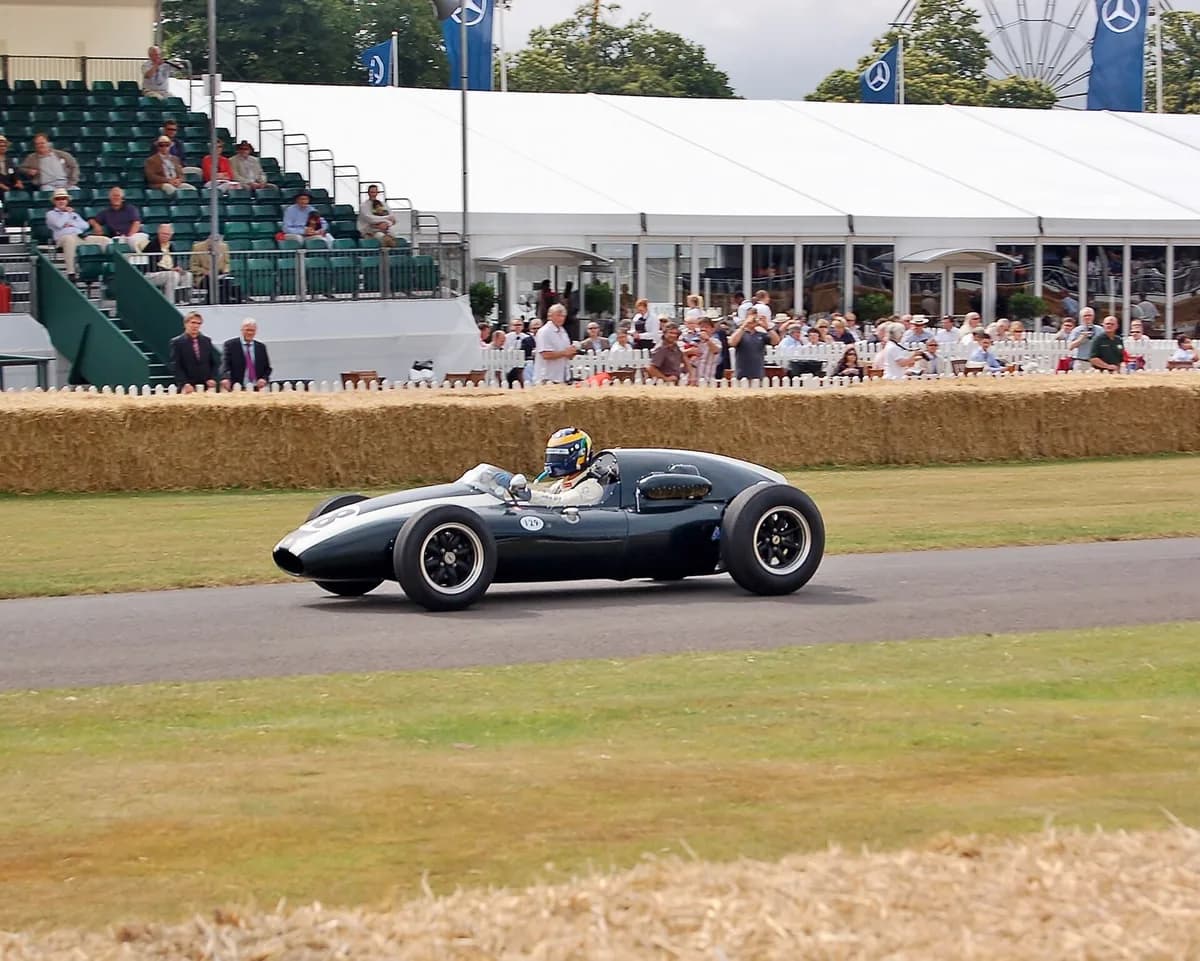
The 1960s are the sweet spot for anyone who wants to own a champion's car and actually use it. Cooper, Lotus, Brabham and BRM all built in numbers, the cars are mechanically comprehensible, and the historic racing calendar welcomes them.
Ferrari is the exception again. The 156 "Sharknose" that Phil Hill won the 1961 title with was famously scrapped by the factory, which is why the ones you see today are recreations. Ferrari's 1964 title-winning 158 stayed in Maranello.
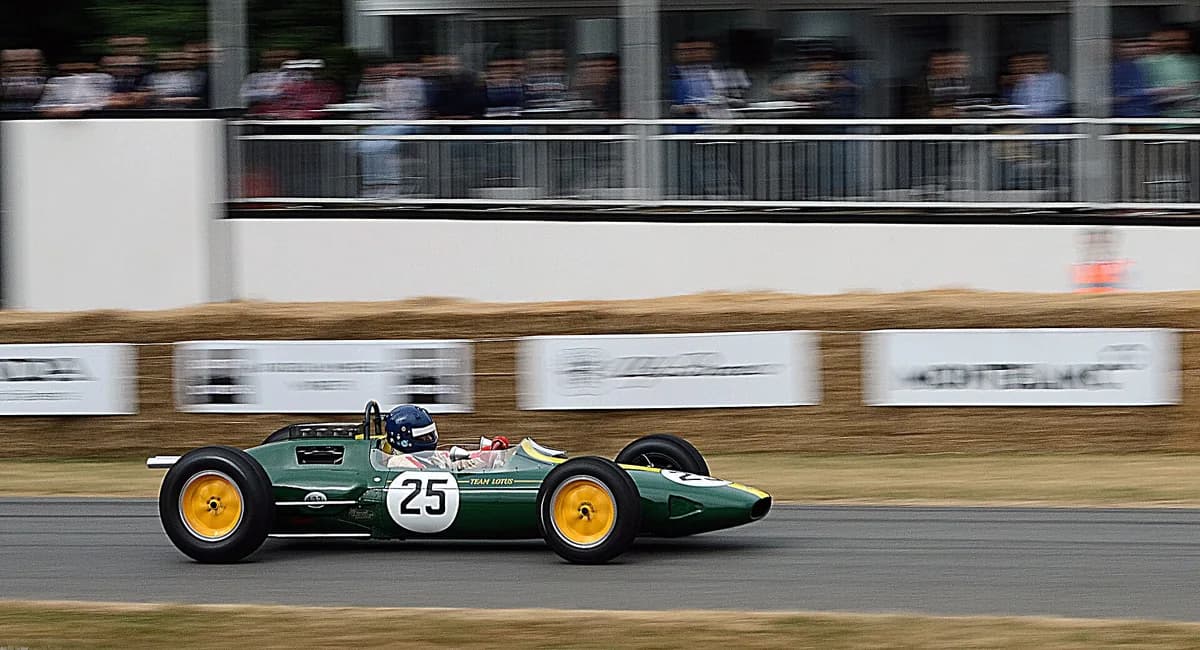
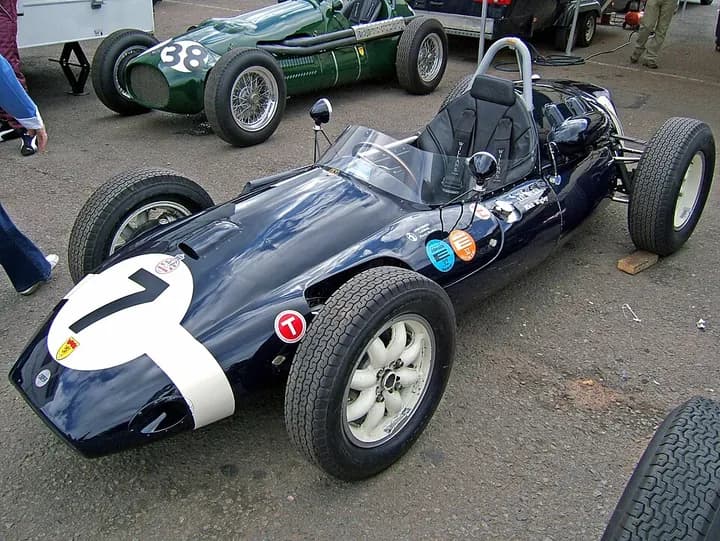
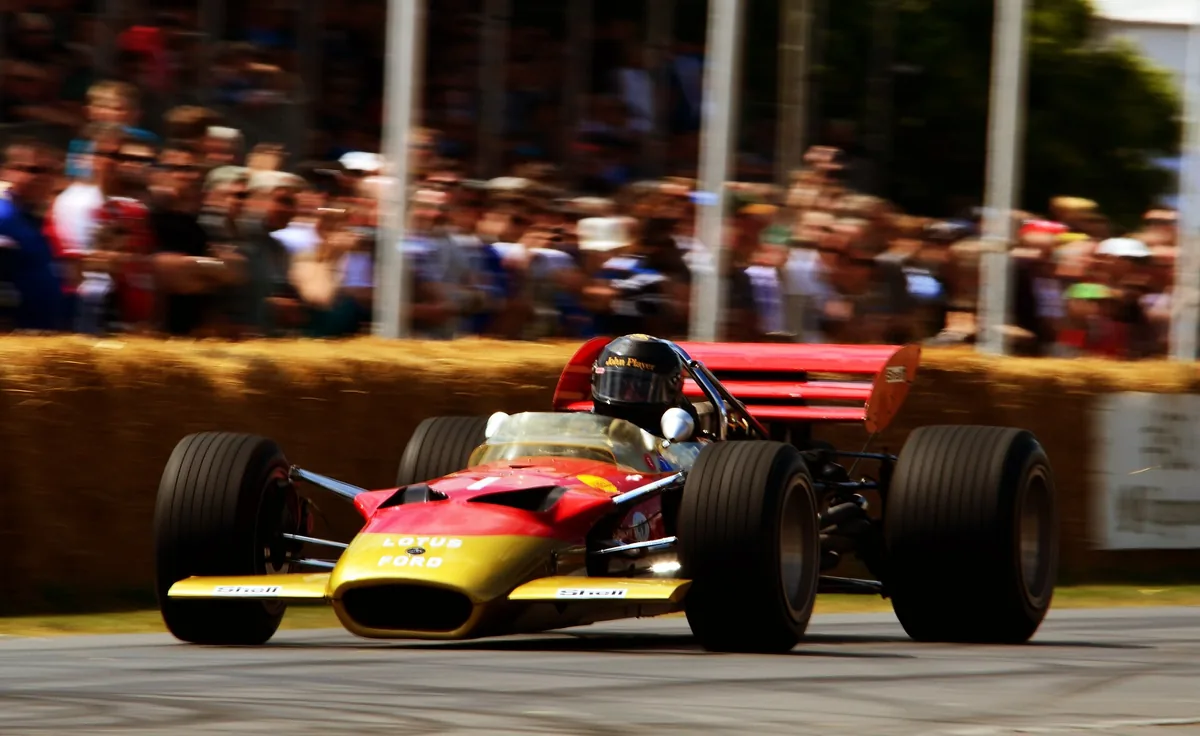
Prices here sit well below the headline numbers and reward research. The ex-Graham Hill Lotus 49B chassis 49B-R8, built in October 1968 for Hill's 1969 Tasman Series campaign rather than for the 1968 championship he had just won, made £673,500 at Bonhams Goodwood in June 2014. A Lotus 25 as raced by Clark sold at Bonhams & Goodman in Sydney for $988,524. Those are serious sums, but they are within reach of the same buyers who shop for a front-running historic sports car.
1970s: wings, ground effect and the DFV
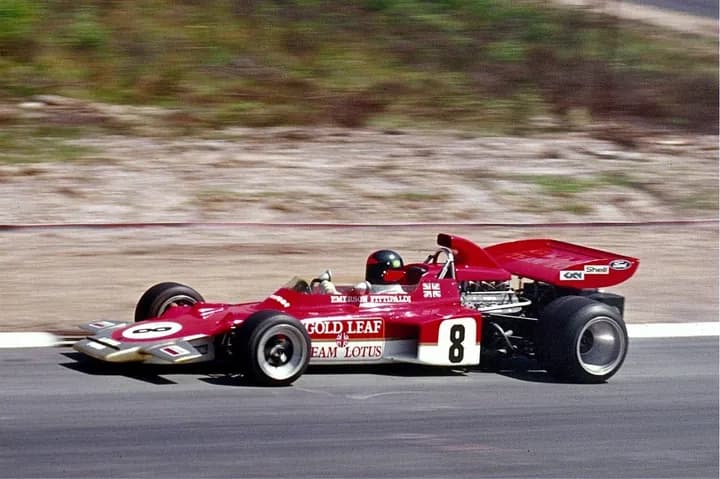

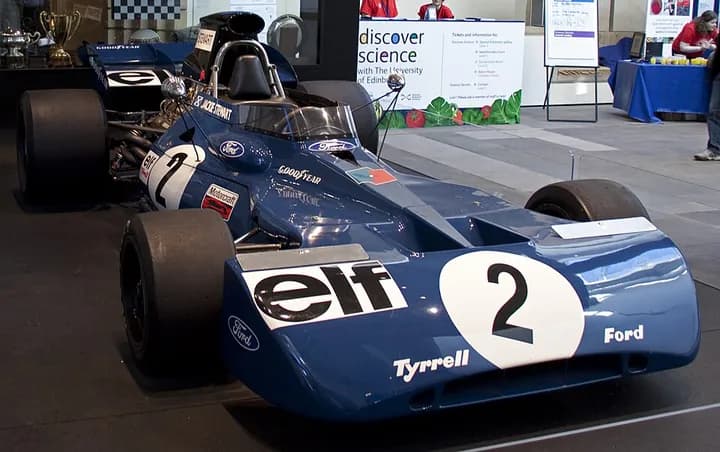
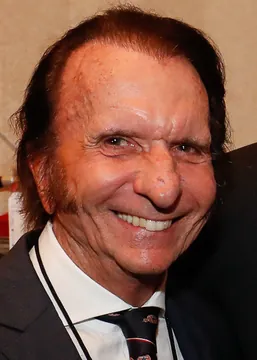

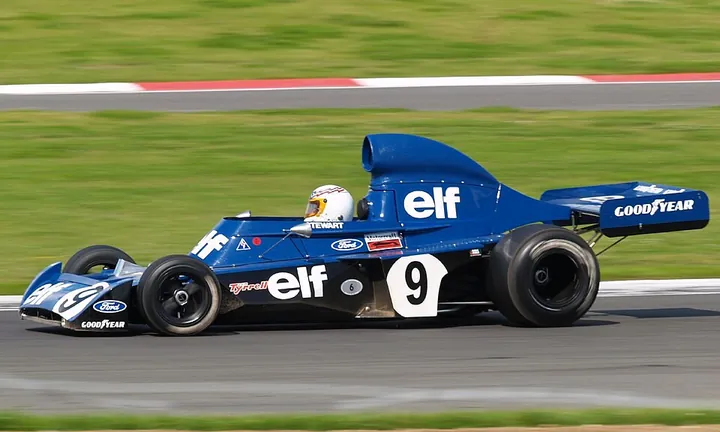
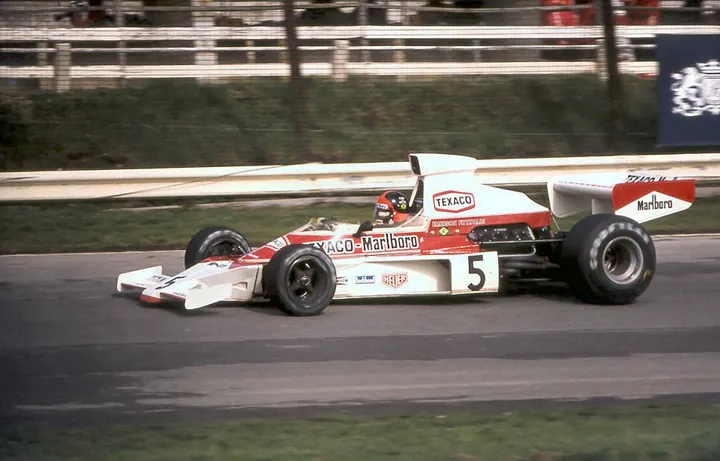
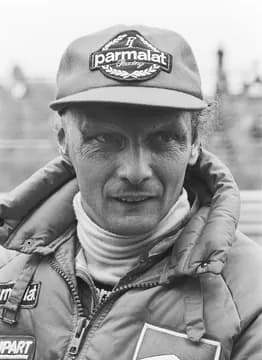
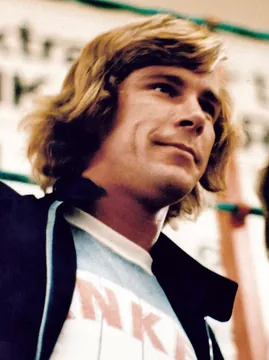
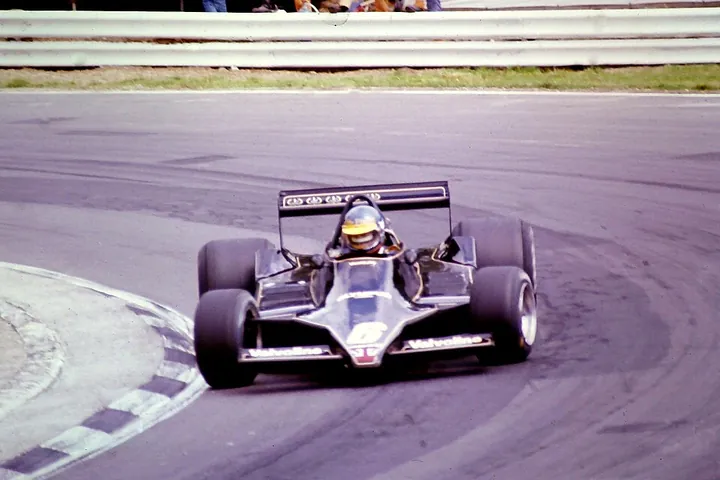

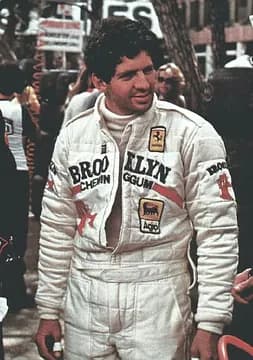

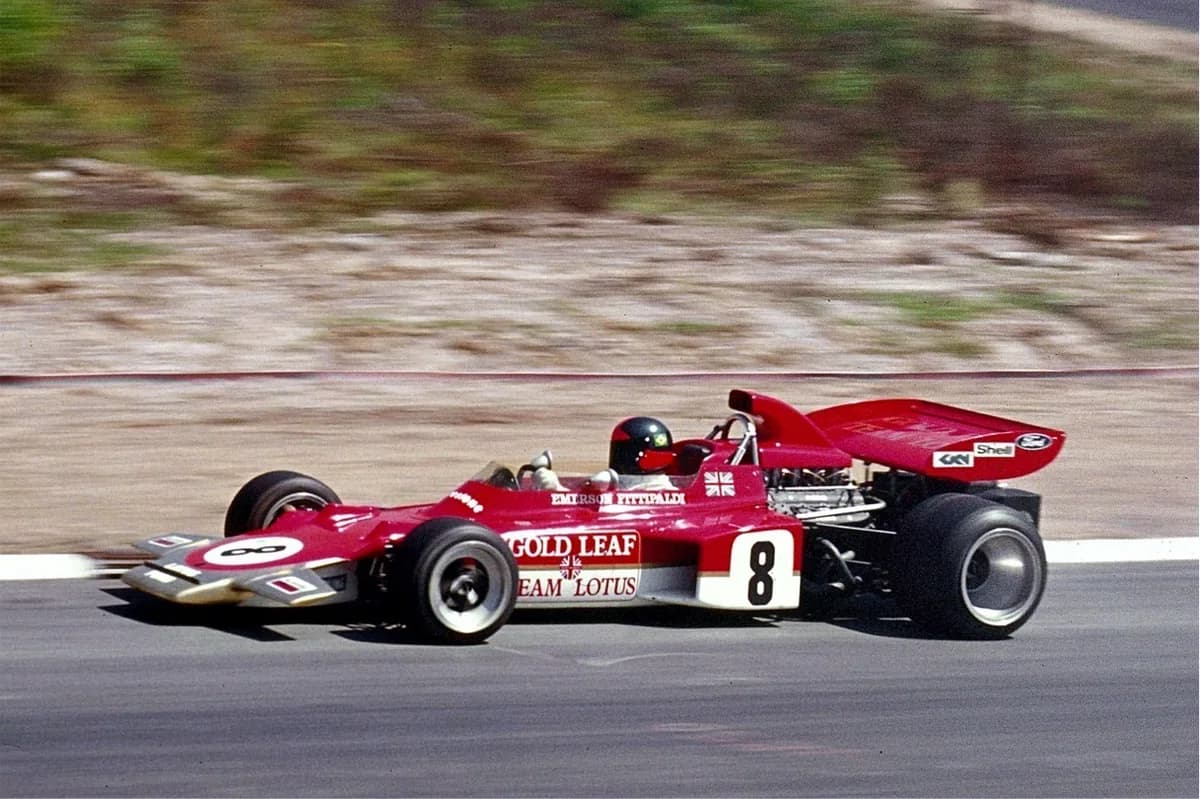
This decade is the practical heart of historic F1 ownership, for one reason: the Cosworth DFV. Seven of the ten titles above were won with it. The other three went to Ferrari's flat-12 — Lauda in 1975 and 1977, Scheckter in 1979. Parts, expertise and rebuild capacity all still exist, which keeps running costs predictable in a way that a V12 Ferrari or Alfa never will.
That practicality shows up in the eligibility rules as well. Masters Historic Formula One runs grids full of DFV cars, so a 1970s champion's chassis is something you can enter, not just insure.
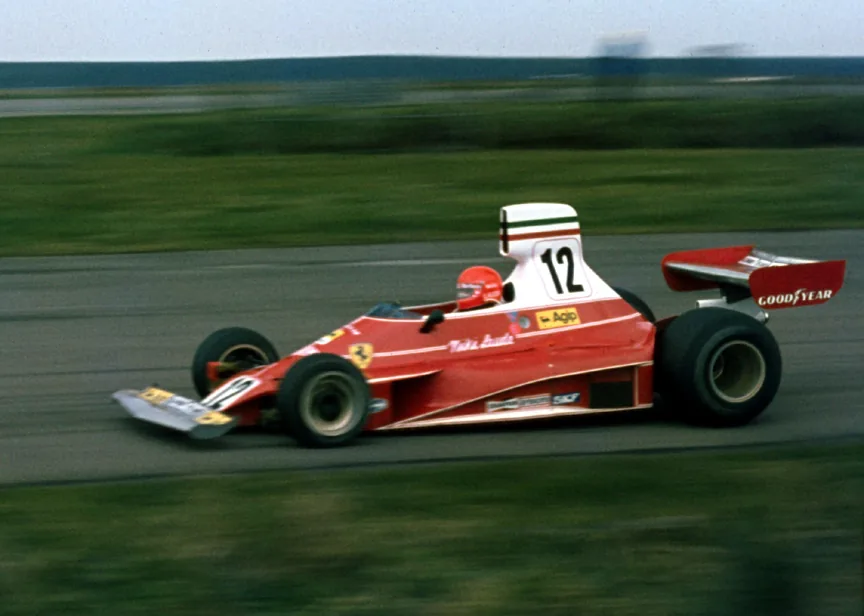
Ferrari's 312T family is the exception in both directions: more expensive to buy, considerably more expensive to run, and supported by Ferrari's own historic department for owners who qualify. The $6 million paid for a sister 312T in 2019 gives you the shape of the market, and a genuine title-winning chassis would be a different conversation entirely.
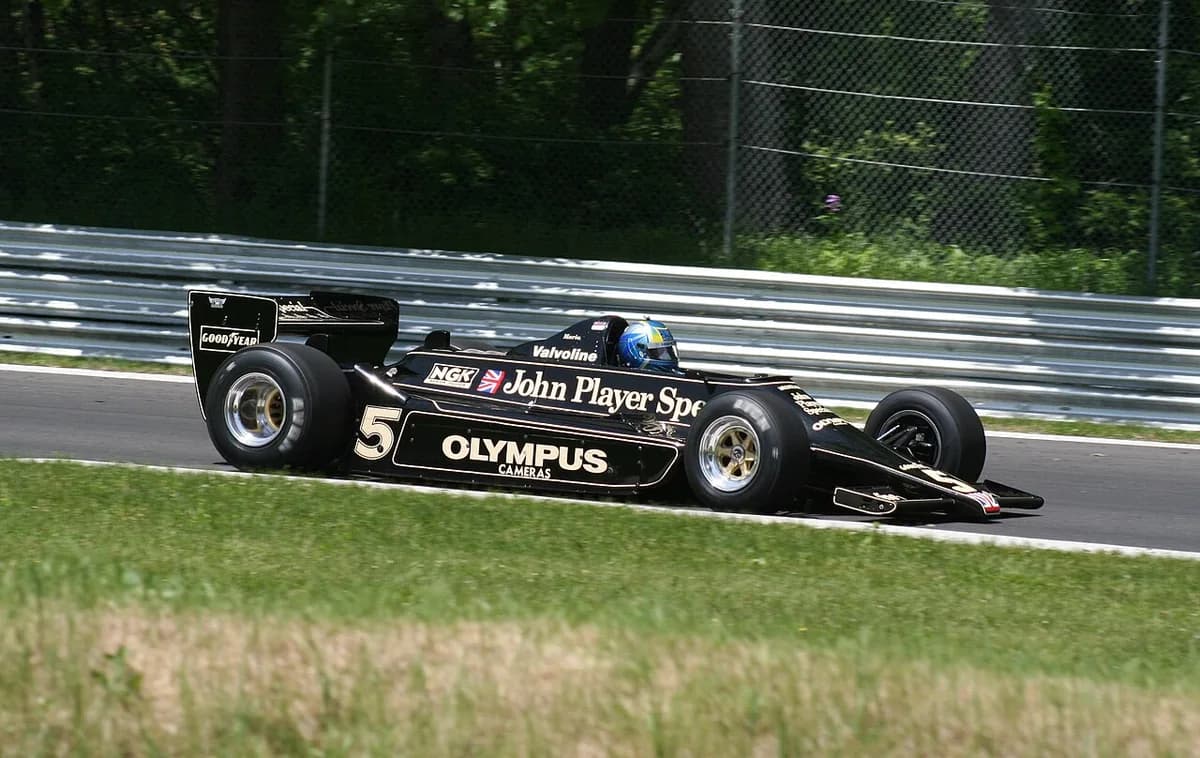
1980s: turbos, carbon and the first modern cars
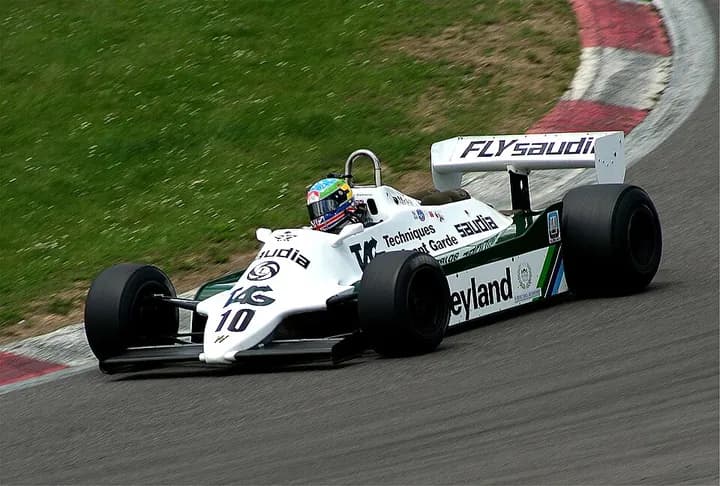
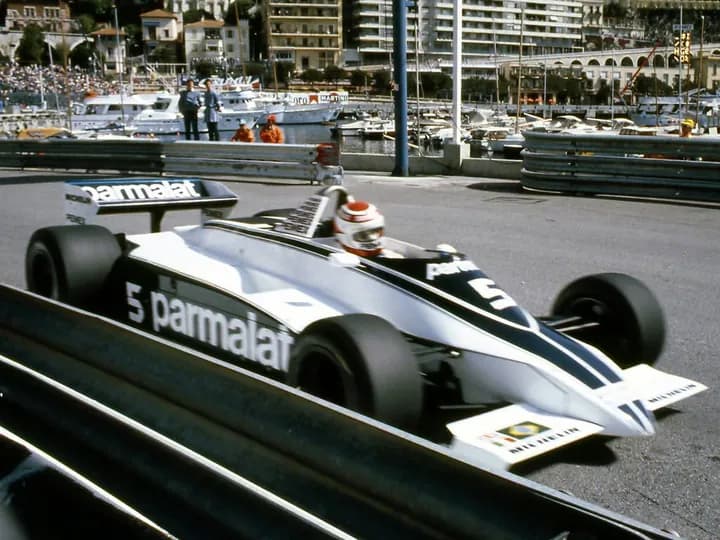
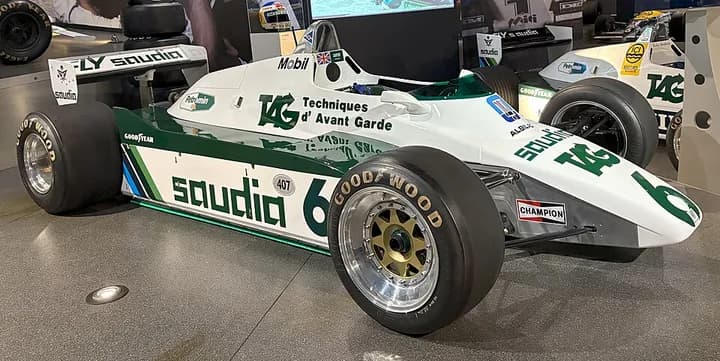
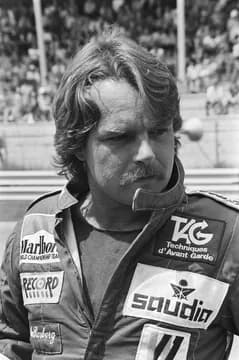

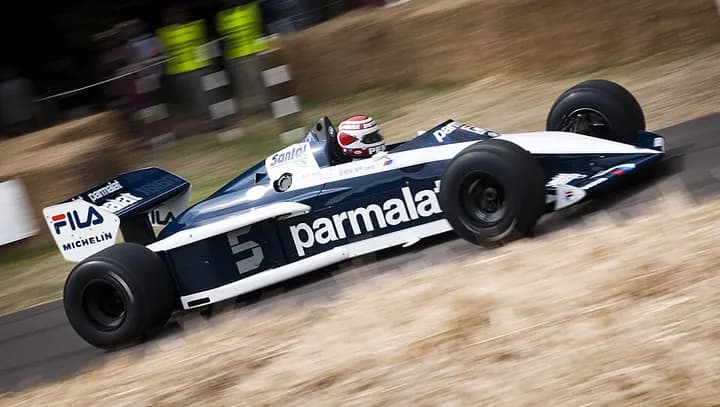
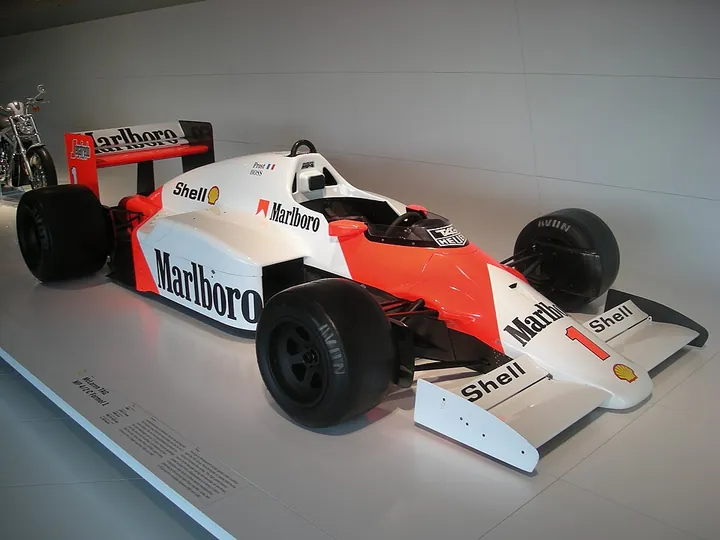

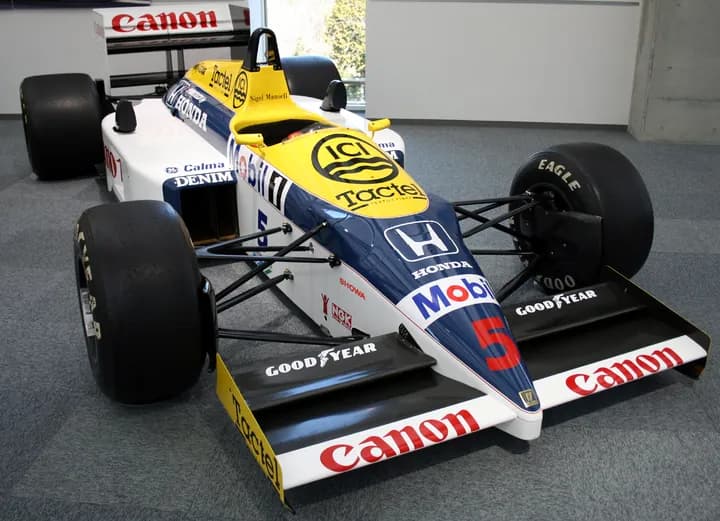
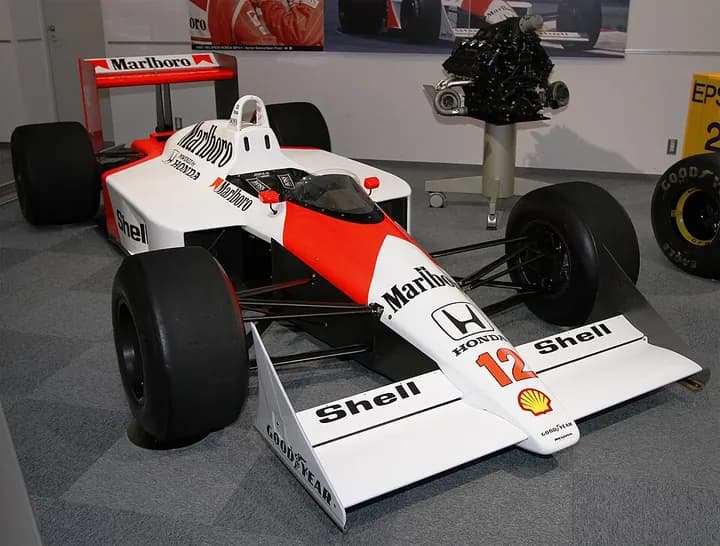
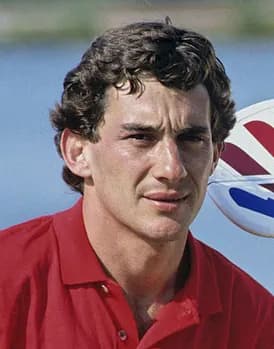
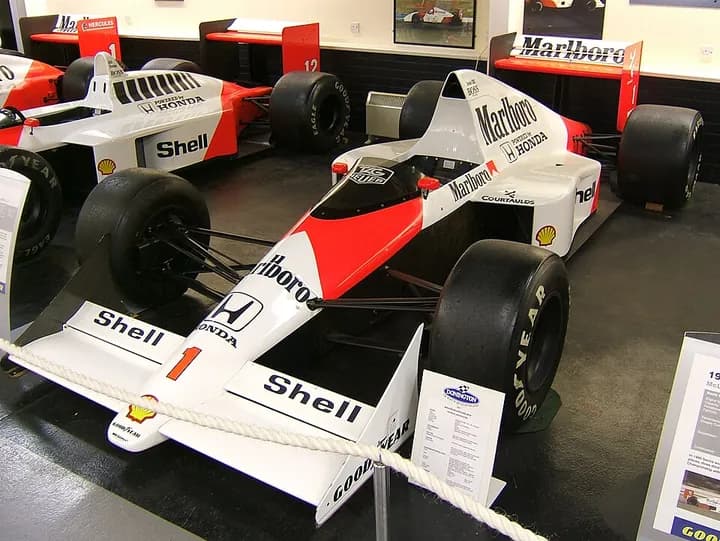
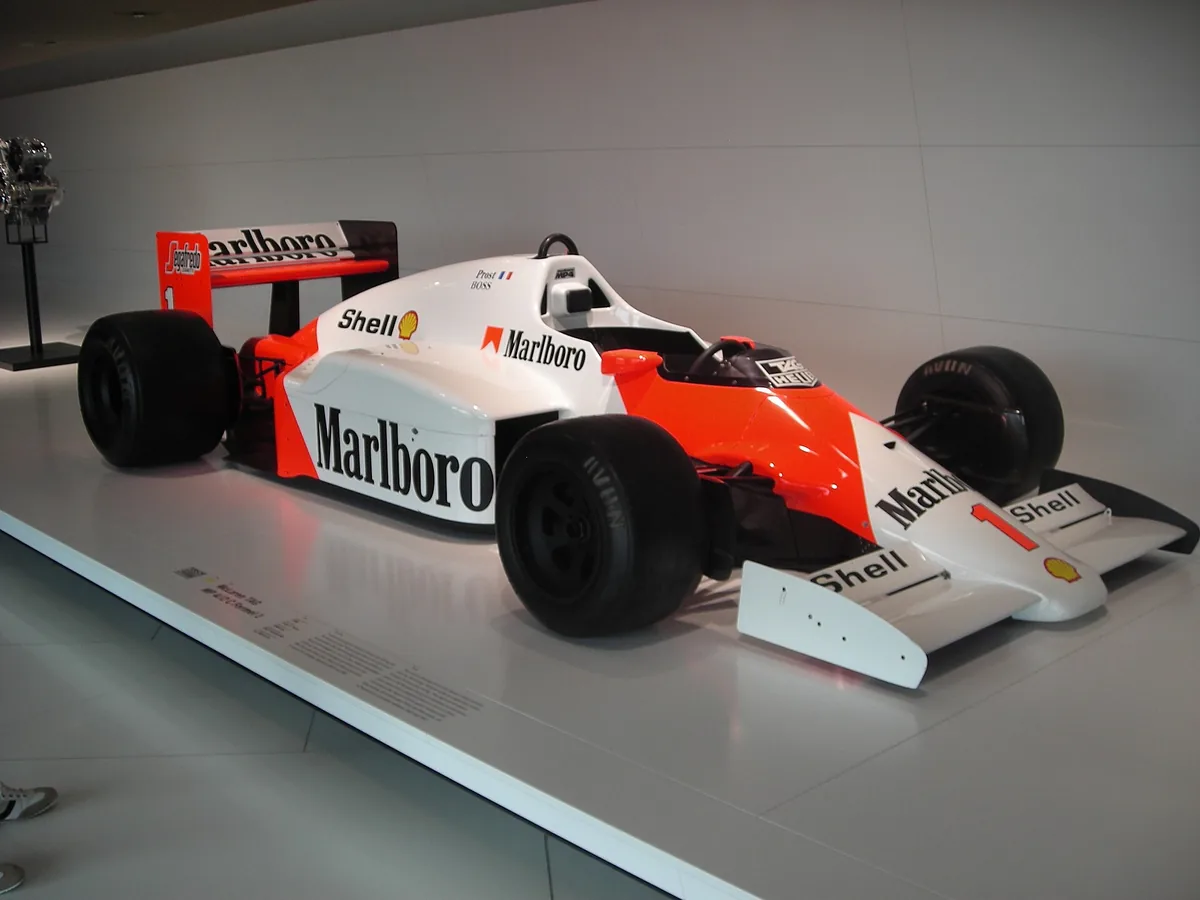
The 1980s split cleanly down the middle. The early DFV cars behave like 1970s cars and can be run. The turbo cars cannot, in any practical sense: the 1.5-litre engines were built to last a qualifying run at extreme boost, the electronics are period-specific, and almost nobody has the parts.
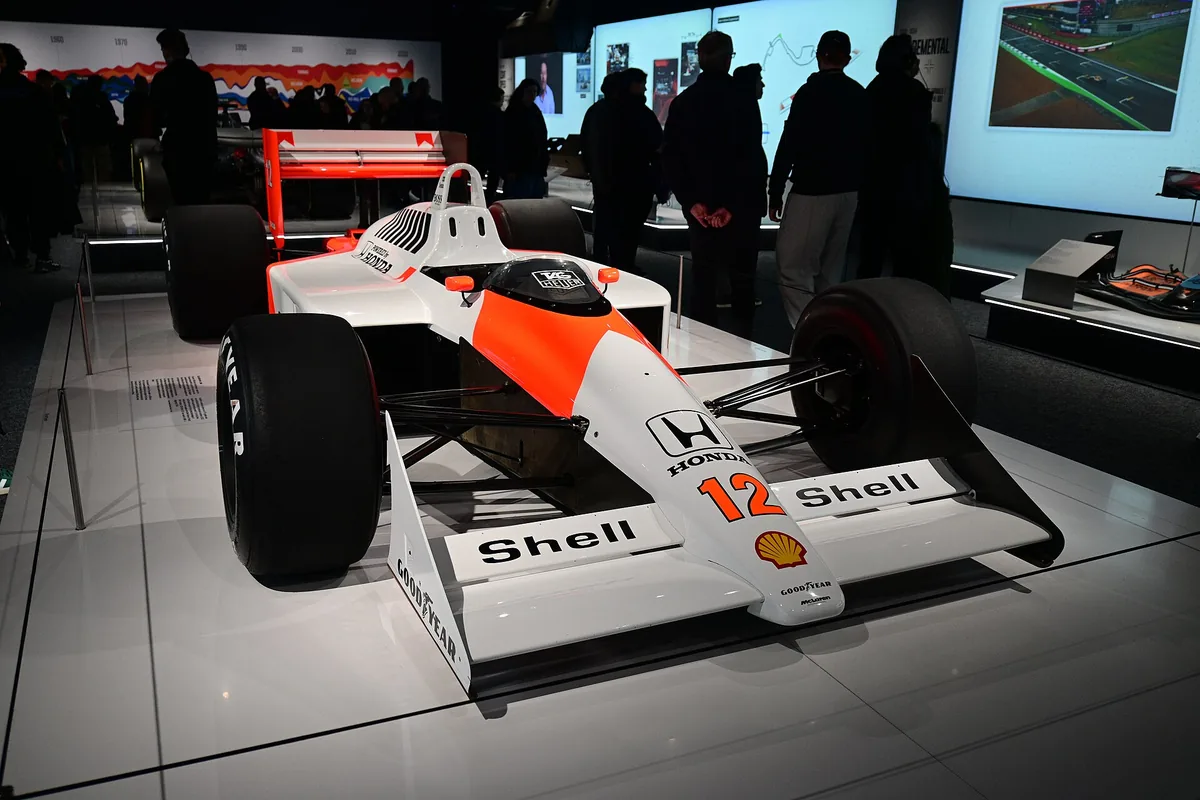
That is why McLaren's MP4/4, arguably the most dominant car in the sport's history with 15 wins from 16 races, is not something you see for sale. McLaren retains its heritage fleet, as do Williams and Red Bull.
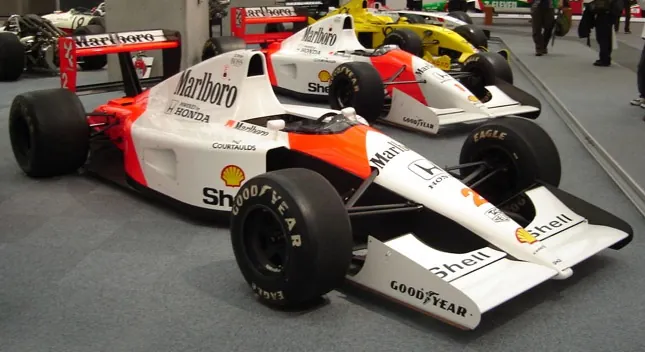
The clearest price signal from the era is indirect. Senna's 1993 McLaren MP4/8A, the car he won that year's Monaco Grand Prix in but not a title car, made €4,197,500 at Bonhams Monaco in May 2018, bought by Bernie Ecclestone. If a non-championship Senna McLaren does that, the number on a title car is theoretical only because no one has been willing to test it.
1990s: electronics, then the ban

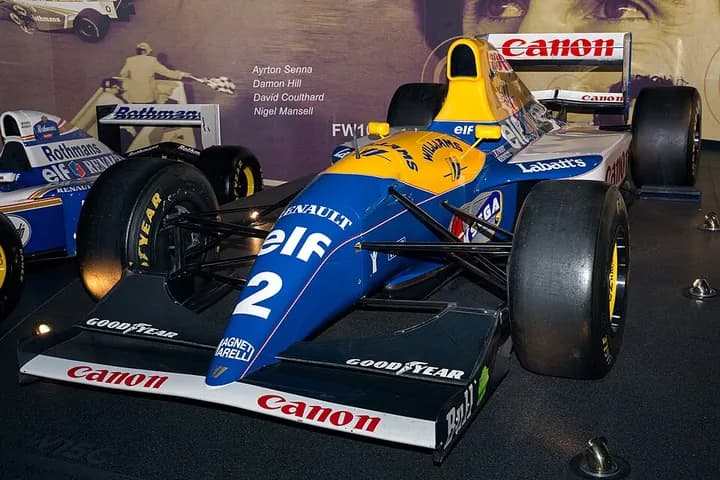
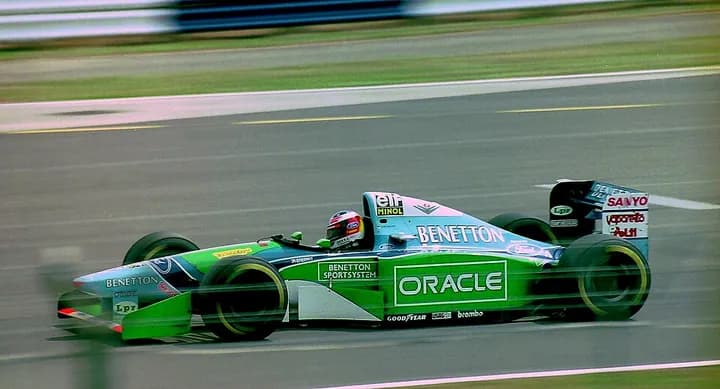


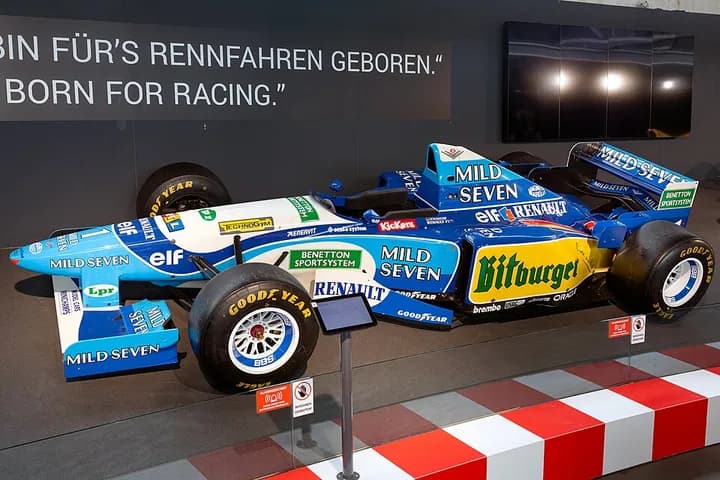
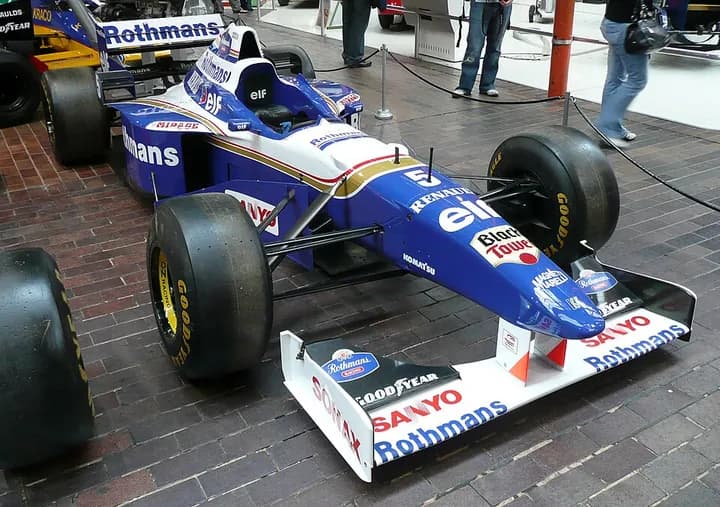

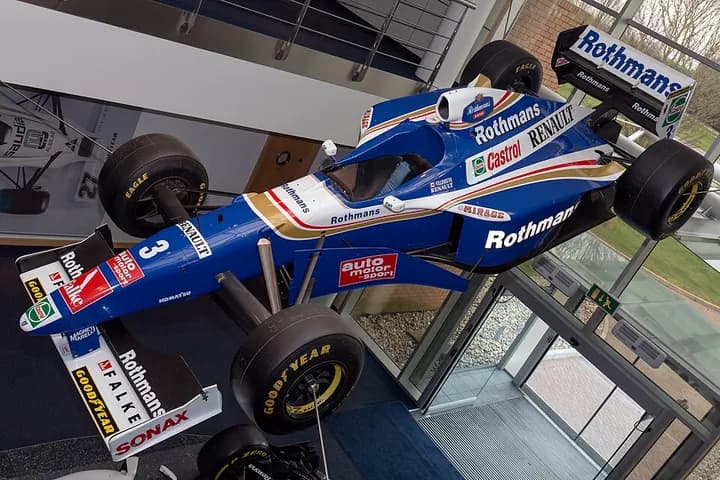



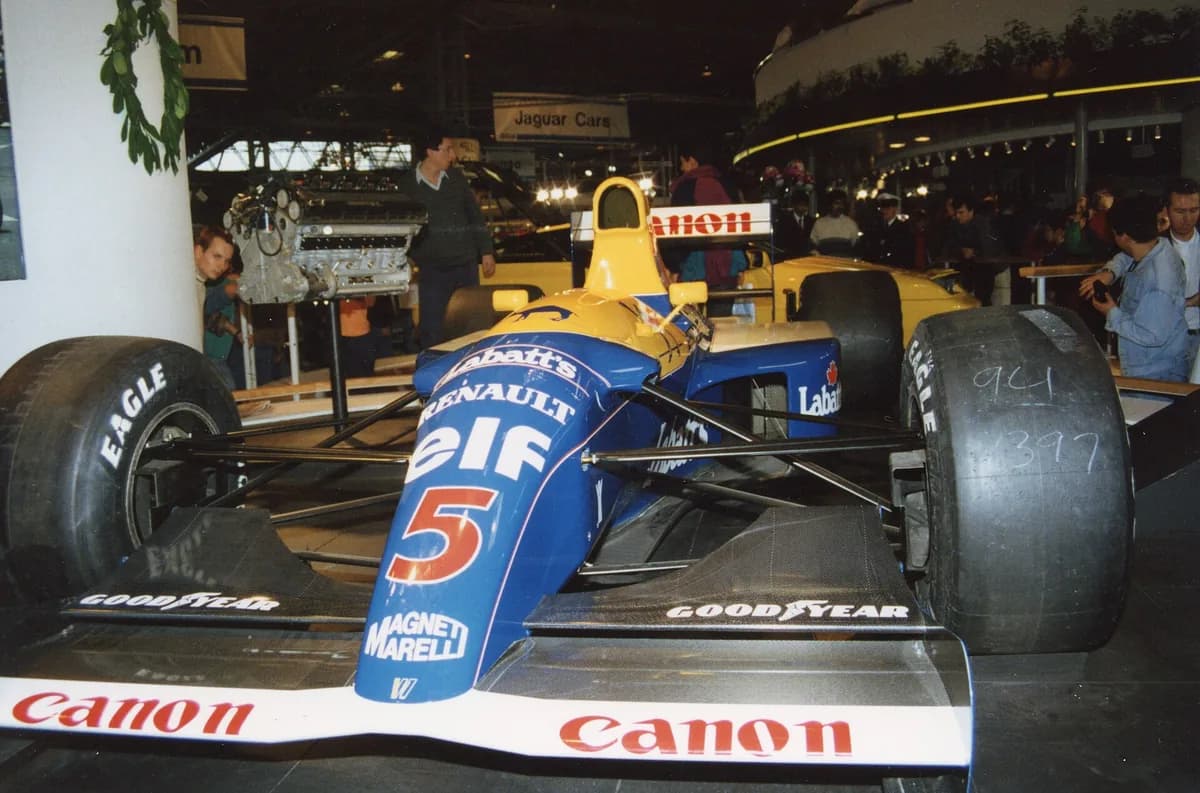
The FW14B is the best-documented 1990s data point and a useful sanity check on the whole market. It is an active-suspension, traction-control Williams that won five grands prix on the way to Mansell's title, it is one of the most recognisable cars ever built, and it made £2,703,000 at Bonhams in July 2019, a record for a Williams at the time.
Set that against €15.98 million for a Schumacher Ferrari and the pattern becomes obvious: within this period the market pays for Ferrari and for Schumacher, and a great deal less for everything else, however significant the engineering. It is a pattern rather than a law. Hamilton's 2013 Mercedes W04 made $18,815,000 in Las Vegas in 2023 and never won a title, which is what driver, marque and scarcity can do without a Ferrari badge.
Practically, 1990s cars are display pieces for most owners. Active suspension and the era's electronics need specialist support that only a handful of firms provide, and the V10 and V8 engines have short rebuild intervals.
2000s: the Ferrari years, and the market's favourite cars
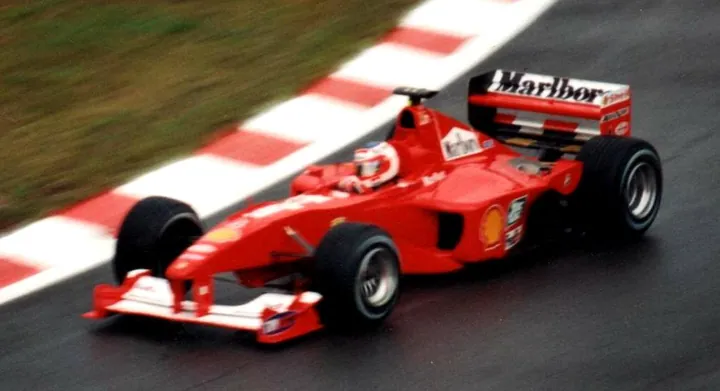
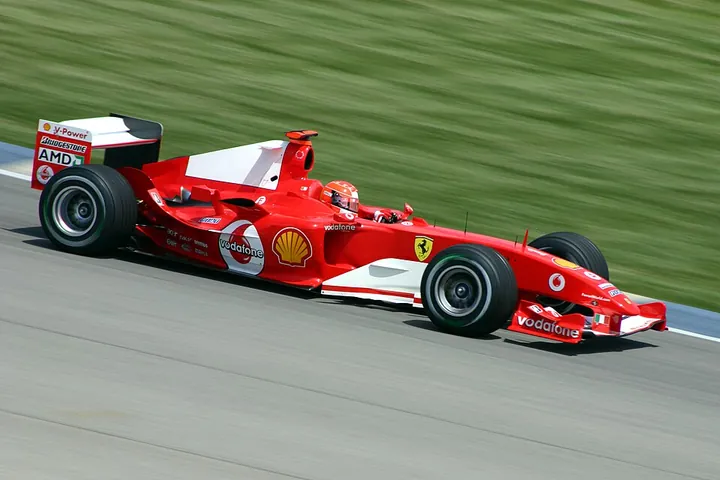
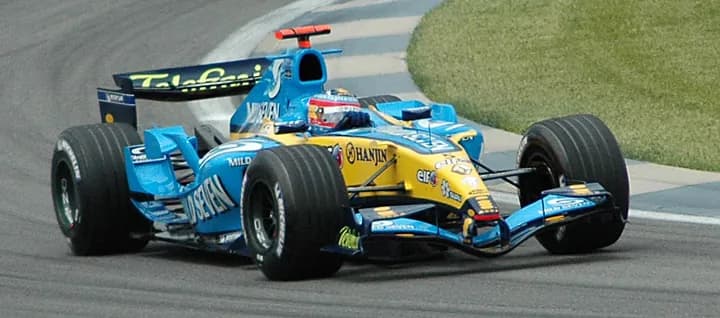


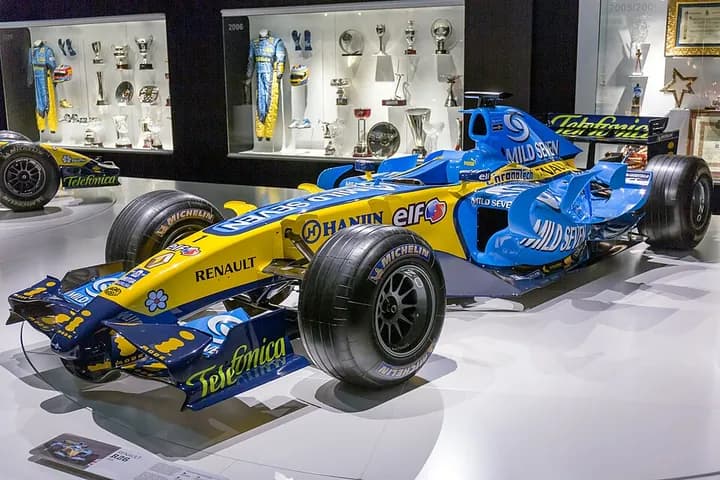
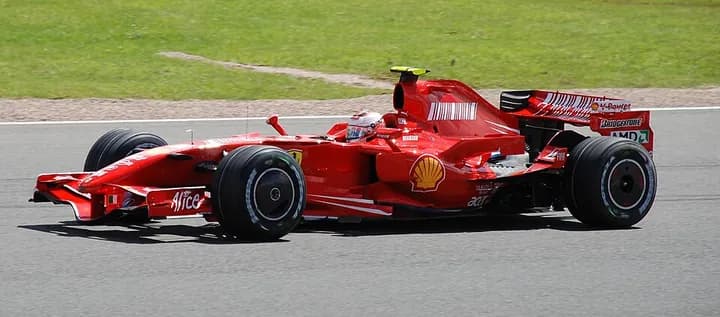

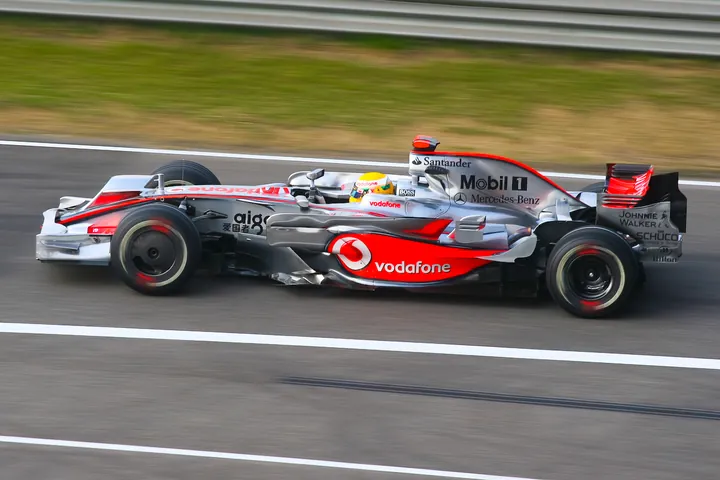

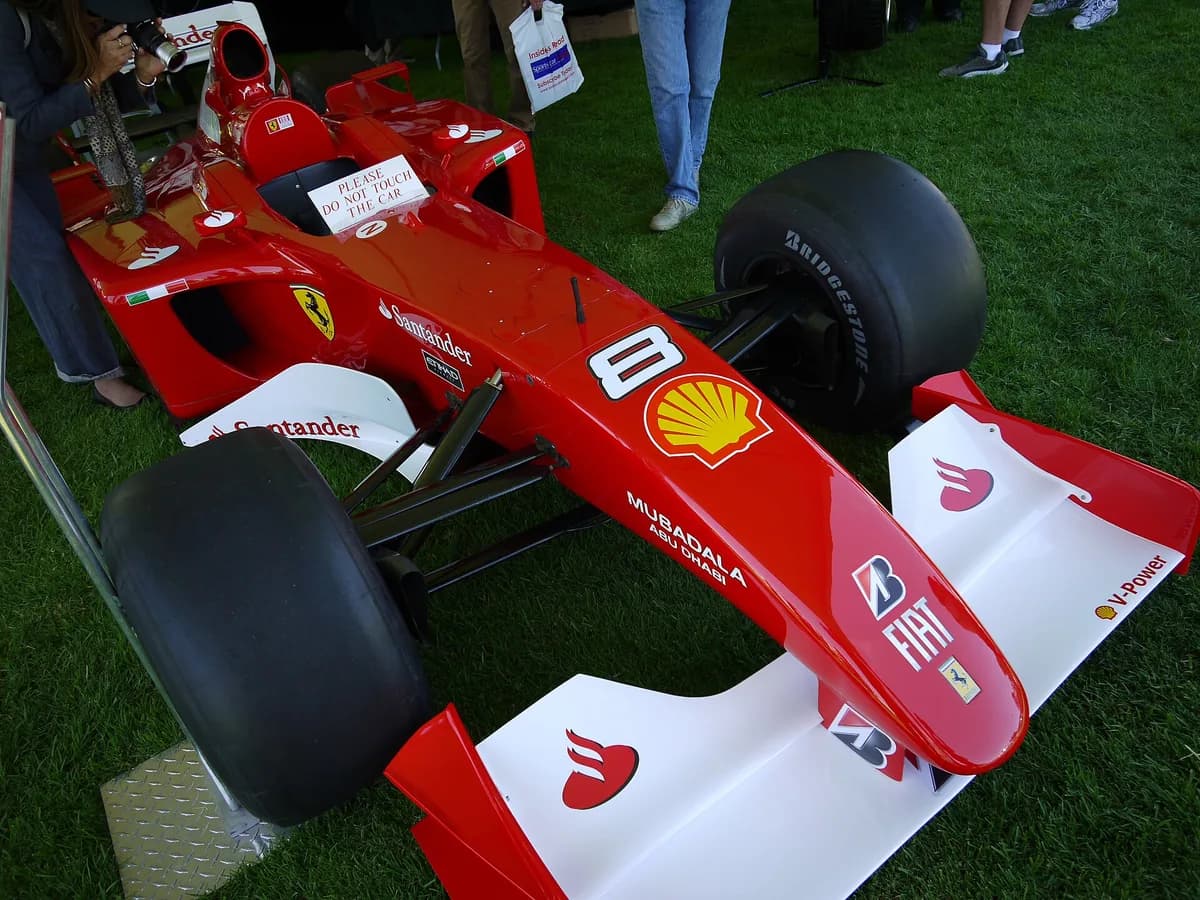
This is where the money is, and there is a structural reason for it. Ferrari sells retired race cars to approved clients and supports them through Corse Clienti, so Schumacher-era chassis legitimately circulate with factory backing behind them. No other team of the period does this at the same scale.
The results follow. Chassis 229, the F2003-GA that won five grands prix in 2003, made CHF 14,630,000 at RM Sotheby's in Geneva in November 2022. Chassis 219, the F2002 that led Abu Dhabi's first collector car auction in November 2019, made $6,643,750. And chassis 211 did what it did in Monaco in 2025.
The end of the decade closes the door. Brawn's 2009 title came from a team that existed for one season and built three cars, which ought to make BGP 001 one of the rarest championship winners ever. It still fell short of estimate in Miami in 2025. Rarity alone does not price a car; demand for the specific driver and marque does.
2010s: the cars you cannot buy
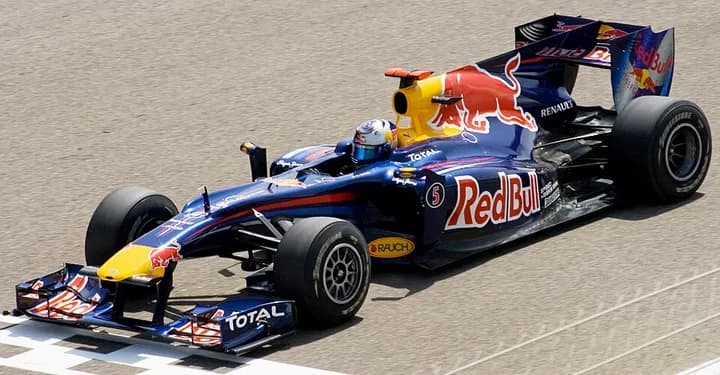
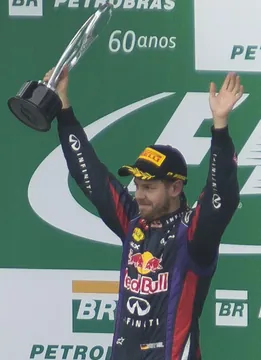
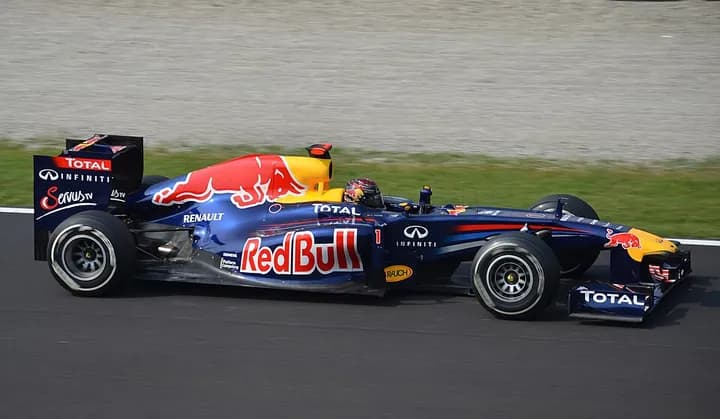
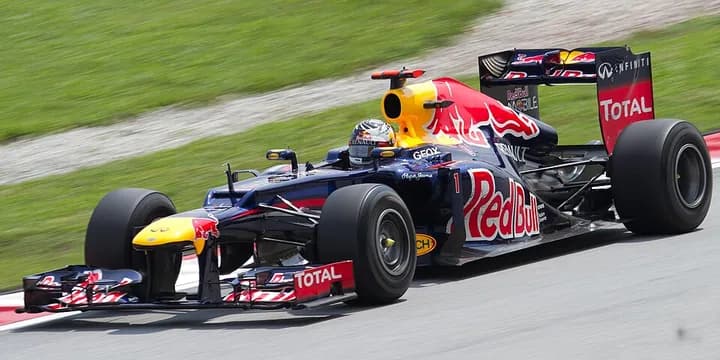
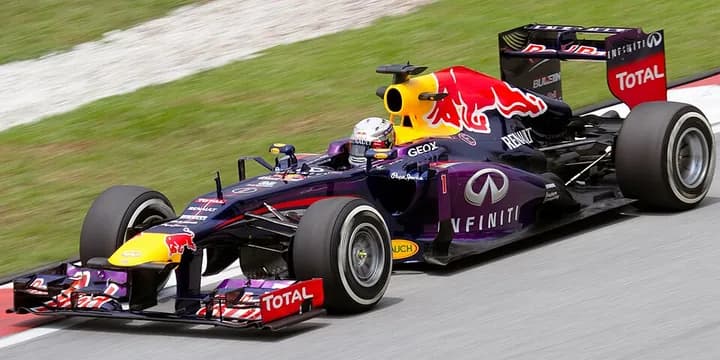
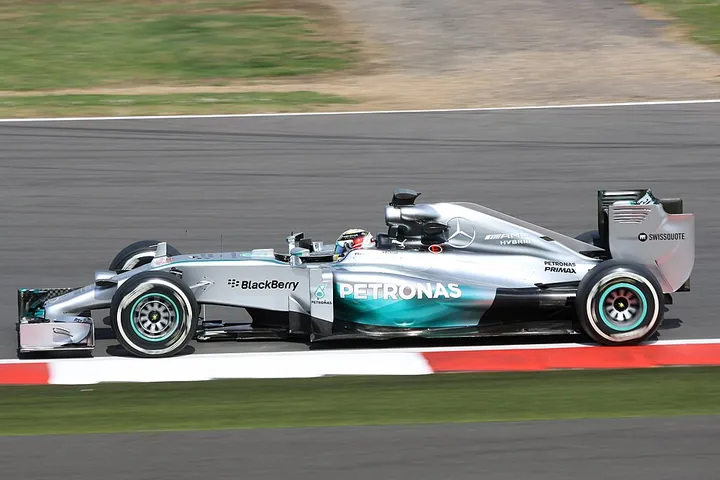
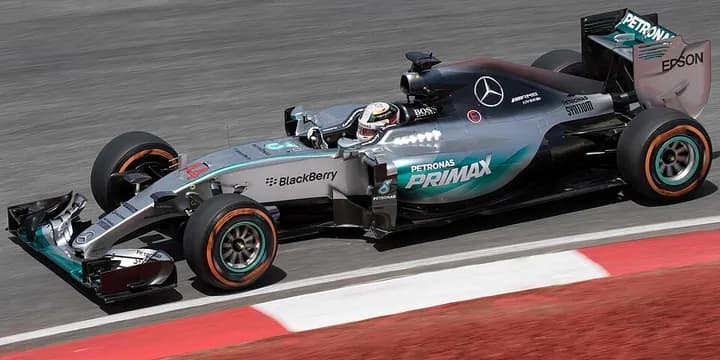
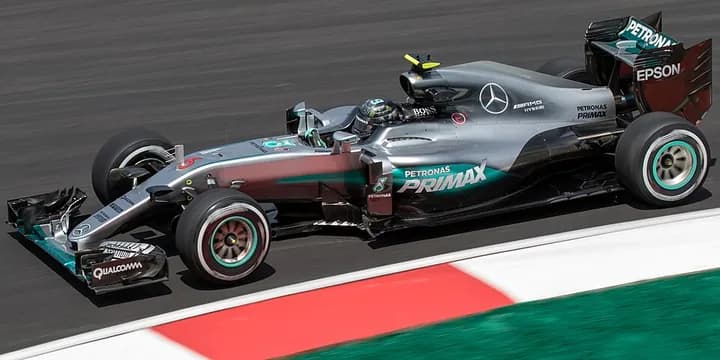

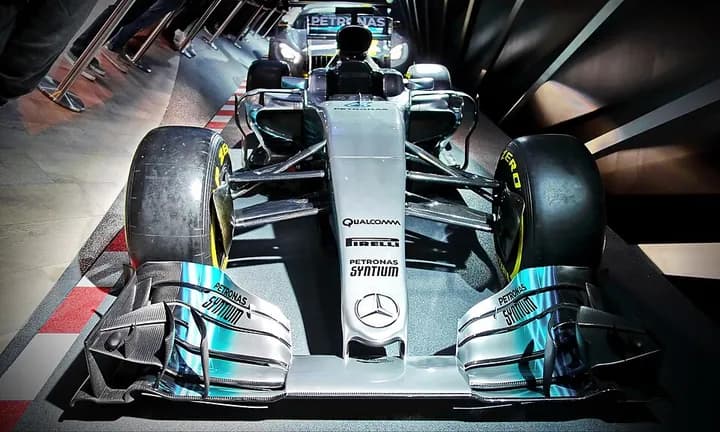
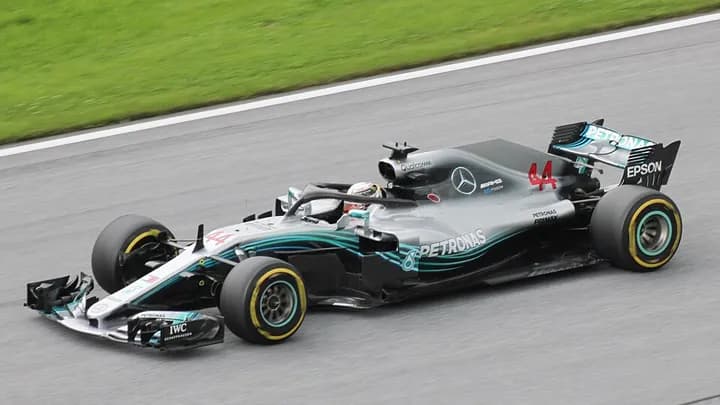
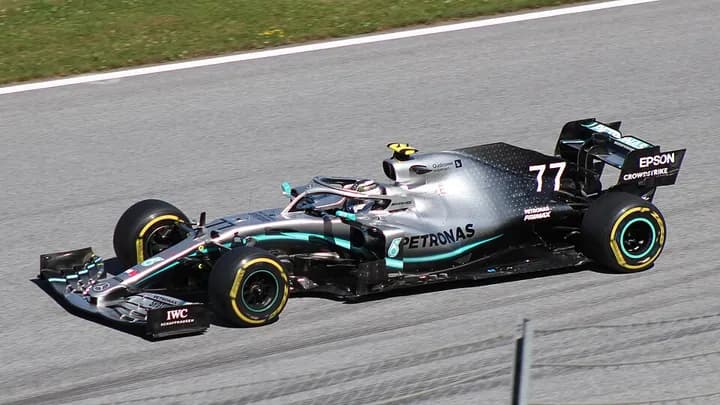
Not one of these ten chassis has been sold publicly, and the reasons are structural rather than sentimental.
Every car carries intellectual property that cost tens of millions to develop, and concepts carry across seasons, so teams hold cars back for years. Red Bull, McLaren and Williams keep their own heritage fleets on principle. And the 2014-onward power units are the real obstacle: they combine a turbocharged V6 with energy recovery systems that need factory software, a trained crew and a battery supply chain to operate at all. Where hybrid-era cars have been released, the energy recovery system is typically disabled first.
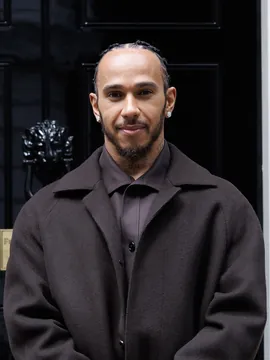
Two Hamilton chassis have reached open auction, and neither is a title car. His 2013 Mercedes W04, chassis F1W04-04, the car he won the Hungarian Grand Prix in during his first Mercedes season, made $18,815,000 at RM Sotheby's in Las Vegas in November 2023, the most ever paid for a modern grand prix car. His 2010 McLaren MP4-25A, chassis 01, which won that year's Turkish Grand Prix, made £4,836,000 at RM Sotheby's during the 2021 British Grand Prix weekend. Both come from seasons their teams lost, which tells you what a genuine Hamilton title car might do if one were ever released.
2020s: too recent to have a market
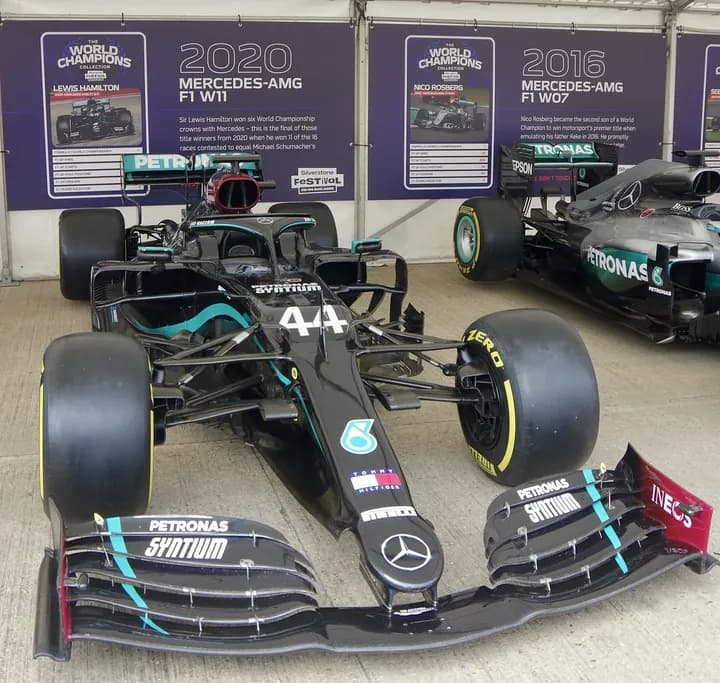
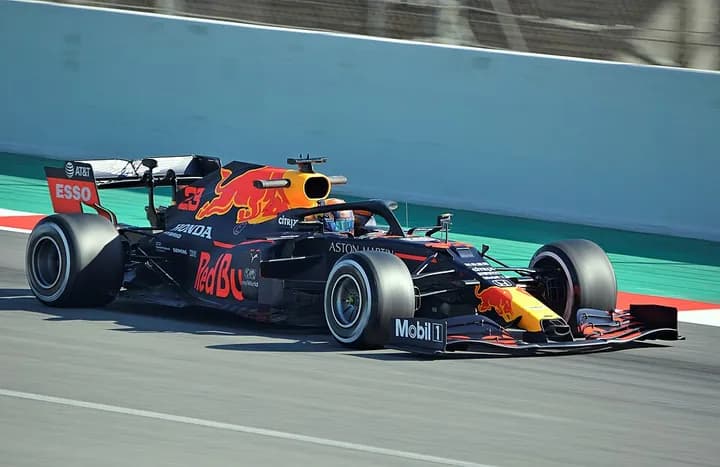


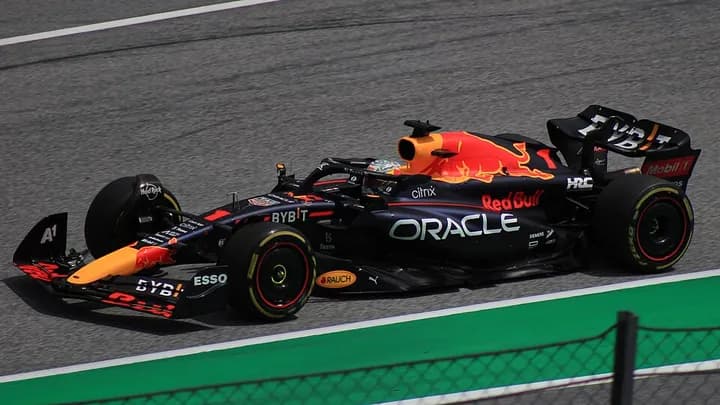
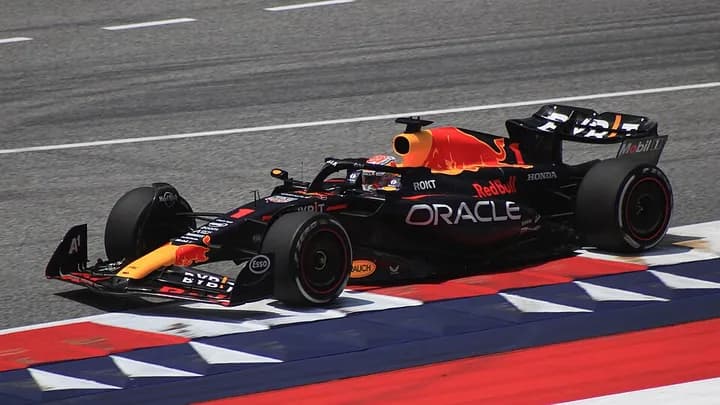
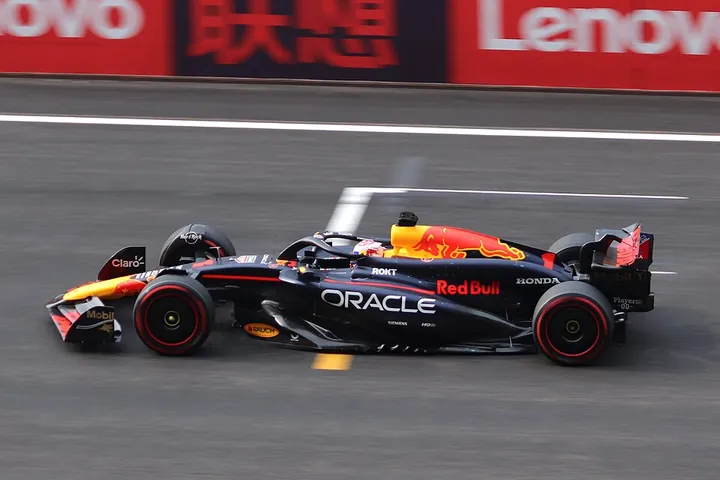
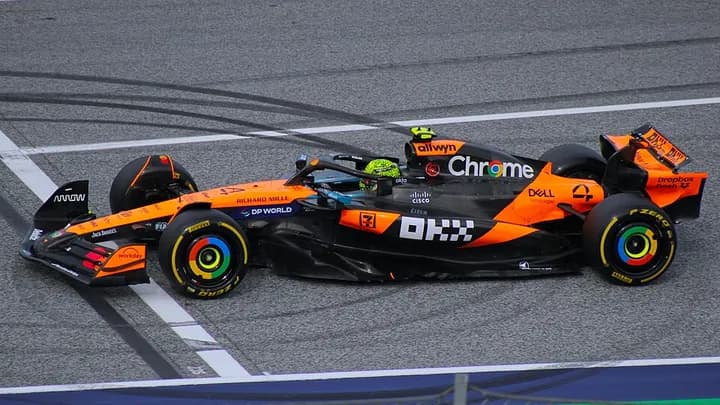

No championship-winning chassis from this decade has a public price, and none is likely to for a long time. Red Bull's four consecutive Verstappen titles and Lando Norris's 2025 championship with the McLaren MCL39 are current competition assets. Even if a team chose to sell, the buyer would inherit a car that cannot be started without the manufacturer. Contemporary machinery has nevertheless begun to reach the market by another route: in December 2025 McLaren sold a 2026 MCL40A through RM Sotheby's in Abu Dhabi for $11,480,000, with the chassis to be nominated and delivered only once it has finished racing.
If you want a modern single-seater you can actually run, the answer is a step down the ladder: Formula 2, Formula 3, Formula Renault and historic F3000 machinery all turn up as genuinely raceable cars in the formula car market.
What it costs to run one
Purchase price is the smaller decision. Here is the honest ownership picture, by era.
| Era | Practical to race? | Typical running notes |
|---|---|---|
| 1950s front-engined | Yes, selectively | Specialist engine work, low parts availability, high insurance values |
| 1960s Climax / BRM | Yes | Good historic grids, manageable rebuild costs |
| 1970s Cosworth DFV | Yes, best of all | DFV rebuild roughly every 1,200 miles at £15,000 to £35,000 |
| 1970s Ferrari flat-12 | Yes, at a cost | Factory-adjacent support needed, multiples of DFV costs |
| 1980s turbo | Rarely | Qualifying-spec engines, scarce parts, few able specialists |
| 1990s V10 / V8 | Display, mostly | Active suspension and electronics need dedicated support |
| 2000s Ferrari | Yes, via Corse Clienti | Factory programme, factory prices |
| 2014 onward hybrid | No | Energy recovery typically disabled; needs a works crew |
The reference point most owners quote is the DFV era, where running a car at a race weekend with a professional team is commonly put at around £10,000, plus rebuild amortisation. That is the cheap end of F1 ownership, and it is still a serious annual commitment before you have insured the car or moved it anywhere.
For everything else, the rule is simple: the more exotic the engine, the fewer people can rebuild it, and the more the season costs. A flat-12 Ferrari is not twice a DFV. It is several times one.
How to buy one
Championship-winning F1 cars trade in a small, quiet market. Four things separate a good purchase from an expensive story.
- Get the chassis number first, in writing. Then check it against period race records before you discuss price. This one step removes most of the risk in the entire transaction.
- Commission an independent historian. For cars of this value, a marque specialist who can trace the chassis through its life is a routine and worthwhile expense.
- Establish what the engine is. Original, period-correct replacement, or a modern rebuild. All three are acceptable; all three are priced differently, and a vendor who is vague about it is telling you something.
- Confirm what you are allowed to do with it. Eligibility for a specific historic series is a value component, not a detail. Ask for current papers and check the series regulations yourself.
Our guide to FIA HTP historic papers covers the documentation side in more depth, and understanding race car prices sets out how condition, hours and history combine into a number across the wider market.
Grand prix cars of this calibre are rare enough that most owners never list them publicly. Cars from the tier below, including historic single-seaters, formula cars and the sports racers that share the same paddocks, do change hands in the open market. You will find those on Race for Sale alongside everything else worth racing.
Sources
- RM Sotheby's — auction results cited for Ferrari F2003-GA and related sales
- Bonhams Motor Cars — auction results cited for Lotus, McLaren, Williams and other chassis in this article
- Hagerty — buying a classic Formula 1 car
- Hagerty — Lauda Ferrari 312T sale
- FIA Historic
Image credits and licences
- Alain Prost: Thesupermat, CC BY-SA 4.0
- Alan Jones: ich, Public domain
- Alberto Ascari: Unknown author, Public domain
- Alfa Romeo 158: Lennart Coopmans, CC BY-SA 2.5
- Ayrton Senna: Instituto Ayrton Senna / F1fans, CC BY 2.0
- BRM P57: Kogo, CC BY-SA 3.0 de
- Benetton B192-Ford: Nic Redhead, CC BY-SA 2.0
- Benetton B194-Ford: Martin Lee, CC BY-SA 2.0
- Benetton B195-Renault: Morio, CC BY-SA 4.0
- Brabham BT19-Repco: Bahnfrend, CC BY-SA 3.0
- Brabham BT20 / BT24-Repco: John Chapman Pyrope ), CC BY-SA 3.0
- Brabham BT49C-Ford: Eric Verplanken, CC BY-SA 3.0
- Brabham BT52-BMW: Jake Archibald, CC BY 2.0
- Brawn BGP 001-Mercedes: Jose Mª Izquierdo Galiot, CC BY 2.0
- Cooper T51-Climax: John Chapman ( Pyrope ), CC BY-SA 3.0
- Cooper T53-Climax: John Chapman ( Pyrope ), CC BY-SA 3.0
- Damon Hill: Yu Chu Chin, CC BY-SA 4.0
- Denny Hulme: Slartibartfass, CC BY-SA 3.0
- Emerson Fittipaldi: Palácio do Planalto, CC BY 2.0
- Fernando Alonso: United Autosports, CC BY-SA 2.0
- Ferrari 156: Alexander Migl, CC BY-SA 4.0
- Ferrari 158: Tim Dobbelaere ( Flickr account: storem ), CC BY-SA 2.0
- Ferrari 246 F1: Unknown author, Public domain
- Ferrari 312 T4: Morio, CC BY-SA 3.0
- Ferrari 312T: Lothar Spurzem, CC BY-SA 2.0 de
- Ferrari 500: Morio, CC BY-SA 3.0
- Ferrari F300: Brian Snelson, CC BY 2.0
- Ferrari F1-2000: ozz13x, CC BY 2.0
- Ferrari F2001: DonFrance-photos, CC BY 2.0
- Ferrari F2002: Morio, CC BY-SA 3.0
- Ferrari F2003-GA: Martin Lee, CC BY-SA 2.0
- Ferrari F2004: Rick Dikeman, CC BY-SA 3.0
- Ferrari F2007: Rob Snell, CC BY 2.0
- Giuseppe Farina: El Gráfico, Public domain
- Graham Hill: Anefo, CC0
- Jack Brabham: Lothar Spurzem, CC BY-SA 2.0 de
- Jackie Stewart: David Merrett, CC BY 2.0
- Jacques Villeneuve: Smudge 9000, CC BY-SA 2.0
- James Hunt: Uploader's father, digitized and altered by Mr.choppers, CC BY-SA 3.0
- Jenson Button: Morio, CC BY-SA 4.0
- Jim Clark: Joop van Bilsen / Anefo, CC0
- Jochen Rindt: Evers, Joost / Anefo, CC BY-SA 3.0 nl
- Jody Scheckter: PH1 John Lucas, U.S. Navy, Public domain
- John Surtees: Unknown author, Public domain
- Juan Manuel Fangio: Bjørn Fjørtoft, CC BY 4.0
- Keke Rosberg: Hans van Dijk for Anefo, CC0
- Kimi Räikkönen: XaviYuahanda, CC BY-SA 4.0
- Lancia-Ferrari D50: David Merrett, CC BY 2.0
- Lando Norris: Steffen Prößdorf, CC BY-SA 4.0
- Lewis Hamilton: Picture by Lauren Hurley / No 10 Downing Street, OGL 3
- Lotus 25-Climax: Chris Peeters, CC0
- Lotus 33-Climax: Iain A Wanless, CC BY 2.0
- Lotus 49B-Ford: Lothar Spurzem, CC BY-SA 2.0 de
- Lotus 72-Ford: Lothar Spurzem, CC BY-SA 3.0 de
- Lotus 79-Ford: Martin Lee, CC BY-SA 2.0
- Mario Andretti: United Autosports, CC BY-SA 2.0
- Maserati 250F: Spurzem - Lothar Spurzem, CC BY-SA 2.0 de
- Maserati 250F, then Mercedes-Benz W196: Lothar Spurzem, CC BY-SA 2.0 de
- Matra MS80-Ford: Lothar Spurzem, CC BY-SA 2.0 de
- Max Verstappen: Steffen Prößdorf, CC BY-SA 4.0
- McLaren M23-Ford: Gerald Swan, CC BY-SA 3.0
- McLaren MCL39-Mercedes: Lukas Raich, CC BY-SA 4.0
- McLaren MP4-23-Mercedes: Tim Wang, CC BY-SA 2.0
- McLaren MP4/13-Mercedes: Matti Blume, CC BY-SA 4.0
- McLaren MP4/14-Mercedes: Paul Lannuier, CC BY-SA 2.0
- McLaren MP4/2-TAG: Michael Barera, CC BY-SA 4.0
- McLaren MP4/4-Honda: Morio, CC BY-SA 3.0
- McLaren MP4-25-Mercedes: Gregory Moine, CC BY-SA 2.0
- McLaren MP4/8-Ford: Byser, CC BY 2.0
- McLaren MP4/5-Honda: John Chapman ( Pyrope ), CC BY-SA 3.0
- McLaren MP4/6-Honda: debun , cropped by Morio, CC BY 2.0
- Mercedes F1 W04: Magic Aviation, CC BY 2.0
- Mercedes F1 W05 Hybrid: Andrew & Alan Frost, CC BY 2.0
- Mercedes F1 W06 Hybrid: Morio, CC BY-SA 4.0
- Mercedes F1 W07 Hybrid: Morio, CC BY-SA 4.0
- Mercedes F1 W08 EQ Power+: More Cars, CC BY 2.0
- Mercedes F1 W09 EQ Power+: Lukas Raich, CC BY-SA 4.0
- Mercedes F1 W10 EQ Power+: Lukas Raich, CC BY-SA 4.0
- Mercedes F1 W11 EQ Performance: David Merrett, CC BY 4.0
- Michael Schumacher: Aécio Neves – Wellington Pedro/Imprensa MG / / F1fans ,…, CC BY 2.0
- Mika Häkkinen: Sven Mandel, CC BY-SA 4.0
- Mike Hawthorn: Herbert Behrens / Anefo, CC0
- Nelson Piquet: Agência Brasília, CC BY 2.0
- Nico Rosberg: Sven Mandel, CC BY-SA 4.0
- Nigel Mansell: ProtoplasmaKid, CC BY-SA 4.0
- Niki Lauda: Hans van Dijk for Anefo, CC0
- Phil Hill: Stuart Seeger, CC BY 2.0
- Red Bull RB16B-Honda: Alberto-g-rovi, CC BY 3.0
- Red Bull RB18-RBPT: Lukas Raich, CC BY-SA 4.0
- Red Bull RB19-Honda RBPT: Lukas Raich, CC BY-SA 4.0
- Red Bull RB20-Honda RBPT: Liauzh, CC BY-SA 4.0
- Red Bull RB6-Renault: Vettel_Bahrain_2010.jpg : Andrew Griffith, CC BY 2.0
- Red Bull RB7-Renault: Nic Redhead, CC BY-SA 2.0
- Red Bull RB8-Renault: Morio, CC BY-SA 3.0
- Red Bull RB9-Renault: Morio, CC BY-SA 3.0
- Renault R25: Dan Smith, CC BY-SA 2.0
- Renault R26: Morio, CC BY-SA 4.0
- Sebastian Vettel: Gerardo Lazzari, CC BY 2.0
- Tyrrell 003-Ford: Tony Hisgett, CC BY 2.0
- Tyrrell 005 / 006-Ford: Darren, CC BY 2.0
- Williams FW07B-Ford: Lothar Spurzem, CC BY-SA 2.0 de
- Williams FW08-Ford: Joecompan, CC BY 4.0
- Williams FW11B-Honda: Morio, CC BY-SA 3.0
- Williams FW14B-Renault: taken by Mikelo, CC BY-SA 2.0
- Williams FW15C-Renault: Morio, CC BY-SA 4.0
- Williams FW18-Renault: Przemysław Jahr, Public domain
- Williams FW19-Renault: Morio, CC BY-SA 4.0
Frequently asked questions
What is the most expensive Formula 1 car ever sold?
A 1954 Mercedes-Benz W196 R Stromlinienwagen, chassis 00009/54, raced by Juan Manuel Fangio and Stirling Moss, sold by RM Sotheby's at the Mercedes-Benz Museum in Stuttgart in February 2025 for €51,155,000. It replaced the previous record holder, Fangio's 1954 W196 R chassis 00006, which made £19,601,500 at Bonhams Goodwood in July 2013.
Can you buy a championship-winning F1 car?
Occasionally, and almost always from the pre-2010 eras. Ferrari sells retired cars to approved clients, and historic chassis change hands at specialist auctions. Modern cars are a different story: teams hold onto them for intellectual-property reasons, and hybrid-era cars are typically sold with the energy-recovery system disabled, if they are sold at all.
How much does it cost to run a historic F1 car?
For a Cosworth DFV-powered car of the 1970s, a professionally run race weekend is commonly quoted around £10,000, and the DFV needs a rebuild roughly every 1,200 miles at £15,000 to £35,000 depending on the builder and specification. V12 Ferrari and Alfa engines cost considerably more to maintain than a DFV.
Does a championship title actually increase what an F1 car is worth?
Only for the specific chassis that did the winning. Value follows the individual chassis plate, not the model. A car that won grands prix in a title season is worth a large multiple of a sister chassis from the same year that only tested or ran as a spare.
Are modern championship-winning F1 cars a good investment?
They are rarely available and rarely straightforward. The two most recent data points cut both ways: Schumacher's Ferrari F2001 chassis 211 more than doubled between 2017 and 2025, while Jenson Button's Brawn BGP 001 and Mario Andretti's Lotus 79 both fell short of their estimates. Treat any F1 car as a racing asset with running costs, not as a savings account.